

Web3 Enabler: Seamless Crypto-to-Bank Payments Inside Salesforce
At Web3 Enabler, we are focused on making “web3 enabler: seamless” more than a tagline. Our goal is to turn crypto and stablecoins into practical payment rails directly inside Salesforce, so finance and operations teams can move money across borders with the same ease as sending an email. One of the most powerful new tools we have released is the vendor liquidation wallet, which connects on-chain payments to traditional bank accounts.
In this post, we walk through how this new Salesforce-native capability works, why liquidation wallets matter for everyday business payments, and how our broader vision, including our Reg CF crowdfund on Republic.com, positions Web3 Enabler to scale blockchain payments globally.
From Crypto to Bank Transfer: What a Liquidation Wallet Does
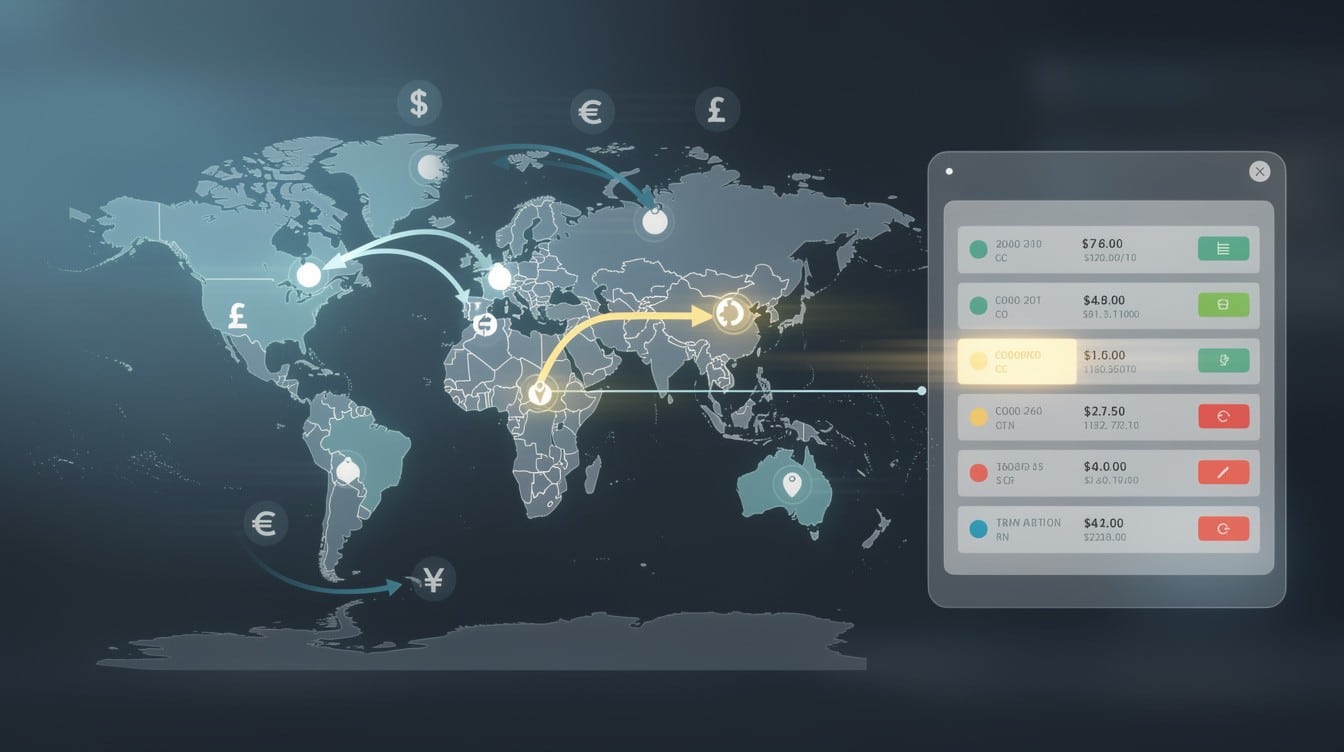
The core of our new feature is simple: a liquidation wallet is the bridge between a crypto address and a traditional bank account. When funds land on the crypto address, they are automatically routed to a connected bank account, turning what used to be a multi-step, manual, error-prone process into a streamlined “web3 enabler: seamless” workflow inside Salesforce.
This lets you pay vendors or employees in crypto or stablecoins while they still receive funds in their local bank, in the currency that works best for them. For teams already thinking about stablecoins as the future of finance, this is the missing piece that connects on-chain infrastructure with the realities of existing financial operations.
How Vendor Liquidation Wallets Work in Salesforce
In the new video Alex Hochberger, our founder and CEO, walks through how this capability works in a real Salesforce org. We introduced a new Salesforce object called an account wallet. From the account wallet page, you can create and connect a wallet that is specifically set up for liquidation, so payments flow automatically to a vendor’s bank account.
In the demo, we show an account wallet named Solana Liquidation Wallet on Account Web3 Enabler, with record type Solana and a wallet type of liquidation. From there, you choose the bank account, tokens, networks, and transfer mechanism. Once connected, you can send crypto to the Solana Liquidation Wallet, and the funds will move through to the specified bank account without manual intervention.
Step-by-Step: Setting Up an Account Wallet for Liquidation
Creating a vendor or employee liquidation wallet is intentionally straightforward. From the account wallet page in Salesforce, you simply hit “connect” to tie that wallet to a bank account. Behind the scenes, the integration takes care of binding the crypto address to off-ramp rails so that settlements clear into fiat whenever payments arrive.
This approach keeps your operational workflow inside Salesforce, where your finance, billing, and operations teams already live. It also aligns with the broader pattern we have highlighted across our resources, such as how we visualize crypto treasury positions in our post on Crypto Holdings in Salesforce: Visualizing Treasury Crypto Across Your Apps and how end-to-end settlement flows work in USDC Payments Process: A Complete End-To-End Workflow.
Why Liquidation Wallets Matter for Real-World Vendors
The point of this feature is not just technical elegance; it is about solving real payment pain. Many vendors are not yet ready to manage their own wallets or deal with on-chain transactions. By letting you configure a liquidation wallet in Salesforce, we let you handle the crypto side while your vendor simply receives a bank transfer.
For example, perhaps a client used to accept USDT but now prefers USDC. With a liquidation wallet, you can simply create a new liquidation address that accepts USDC on Solana, connect it to the same bank account, and keep your vendor’s experience unchanged. The vendor just sees fiat hitting their bank while you enjoy flexible, low-cost, on-chain rails and a “web3 enabler: seamless” upgrade to your payment operations.
Flexible Stablecoin Workflows: USDT, USDC, and Network Choice
Our system recognizes that preferences around tokens and networks change. Stablecoins like USDT and USDC give businesses more options for cross-border payments, treasury management, and risk controls, but vendors may periodically change what they want to receive. The liquidation wallet concept is built for this kind of evolution.
If your counterparty switches from USDT to USDC or adopts a network like Solana for lower fees and faster confirmations, you do not need to re-architect your back office. You simply configure a new liquidation wallet in Salesforce, select the token and network, and let the integration handle routing to the same or a different bank account. For more examples of designing flexible stablecoin workflows, see our resources on Stablecoin Invoicing Salesforce: Automate Crypto Billing Across The Org and USDC Remittance Salesforce: Faster Cross-Border Settlements.
Vendor Self-Service and Payables Workflows
Although the video walkthrough focuses on configuring a liquidation wallet from the Salesforce side, we also support vendor-facing experiences. Your vendor can complete the setup through our payables flows, which are covered in other videos. You can send them a link, including by text message, so they can confirm or adjust details themselves.
This combination of admin-controlled and vendor self-service flows supports different procurement and compliance patterns. Some organizations want to configure every wallet centrally; others want to empower vendors to manage their own payment preferences. Our job as a “web3 enabler: seamless” infrastructure provider is to support both, while keeping all records cleanly tied to Salesforce objects like account wallet, invoices, and payables. You can see how we extend this pattern into invoicing and receivables in our posts on How to Accept SEPA Payments in Brazil: A Practical Guide and Revenue Recognition Blockchain Integration: Automating On-Chain Revenue in Revenue Cloud.
Cross-Border Use Cases: Contractors, Europe, and Eastern Europe
Alex highlights several everyday scenarios where liquidation wallets simplify life for finance teams. Suppose you have two contractors in Europe and you are currently sending international wire transfers. Wires are slow, expensive, and operationally heavy. With Web3 Enabler, you could ACH a payment in the US, convert into stablecoins, and route value over crypto rails to a liquidation wallet that settles into your contractor’s bank account.
Similarly, if you have a client in Eastern Europe that is not on the Euro, sending funds can be frustrating. They may prefer to receive value in USDT, but you still want a workflow that begins and ends in fiat bank accounts. A liquidation wallet lets you honor their token preference while still keeping your accounting and compliance aligned with traditional bank rails. For more on how we use crypto-based rails to improve global settlement, explore our posts on USDC Payments Reporting Salesforce: Transparent Crypto Revenue Metrics and Salesforce Payments Integration: Enabling Seamless Cross-Channel Payments.
Salesforce-Native Setup via AppExchange
All of this runs directly inside your existing Salesforce org. You can go to the AppExchange, search for our blockchain payments solution, and click either “Get It Now” for a production installation or “Try It” to experiment in a sandbox environment. Once installed, you can immediately start configuring account wallets and liquidation flows.
This Salesforce-native approach ensures your CRM, billing, and finance teams can coordinate on the same platform, using familiar objects, fields, and workflows. It also means that as we continue to add features—such as richer reporting, expanded token support, and additional payment rails—your org can adopt them incrementally. To see how this pattern extends across other payment and reporting surfaces, check out Crypto Based International Transfers: Lower Costs, Faster Settlements and Ensuring KYC Compliant Salesforce Blockchain Across Your Crypto Workflows.
Making Salesforce the Hub for Web3 Payments
Alex has spent about eight years in the Salesforce ecosystem and is active in the blockchain blazers community. Our mission at Web3 Enabler is to make crypto and stablecoin infrastructure first-class citizens in Salesforce. That means not only supporting liquidation wallets, but also covering invoicing, receivables, remittances, and visibility across all your web3 payment flows.
We see Salesforce as the operating system for many companies’ revenue and finance operations. By bringing on-chain payments and data into that environment with a “web3 enabler: seamless” mindset, we help organizations avoid point-solution sprawl and fragmented ledgers. For more on how this vision plays out across invoicing and visibility, see Salesforce blockchain governance in Practice: Aligning Policy and Payments and Crypto Enabled Invoicing Salesforce: Invoicing Reimagined Inside CRM.
Our Reg CF Crowdfund: Investing in the Future of Blockchain Payments
Alongside product launches like the vendor liquidation wallet, we are opening our growth story to the broader public through a Reg CF crowdfunding campaign. This is a legitimate equity offering that allows investors to participate in the potential upside as Web3 Enabler scales in the Salesforce and blockchain payments ecosystem.
Alex discusses our current valuation cap of $10 million and our goal of growing to $500 million, which would represent a 50X increase. The team believes in the long-term opportunity around stablecoins and Salesforce, and is transparent about the aspirational nature of potential returns, such as 10X, 25X, 100X, or even 1,000X, as the business matures. Minimum investments start around $400, and we particularly value commitments at the $1,000, $2,500, and $5,000 levels. Our live product work, from liquidation wallets to automated invoicing flows, underpins this “web3 enabler: seamless” growth thesis.
Why We Are Focused on Africa and Global Expansion
We are already seeing traction internationally, including in Africa, where the combination of mobile-first business ecosystems and friction in traditional banking creates strong demand for stablecoin-based solutions. By launching in Africa and other emerging markets, we aim to demonstrate how Salesforce plus web3 payment rails can leapfrog legacy infrastructure.
Our strategy is to keep adding features, expanding network and token support, and educating the market about these opportunities. As we do, we are also investing heavily in governance, compliance, and integration patterns so enterprises can adopt blockchain payments with confidence. For related topics on bridging fiat and crypto and deepening Salesforce integration, explore Stablecoin Invoicing Salesforce: Automate Billing With Digital Assets and Fiat Stablecoins Salesforce: Bridging Fiat and Crypto for Your ERP.
How to Participate via Republic.com and Learn More
If you share our conviction that stablecoins are a key part of the future of finance and that Salesforce will remain a central platform for business operations, we invite you to explore our campaign at Republic.com. You can visit Republic.com slash web3-enabler to review the details of our Reg CF offering, watch additional videos from Alex Hochberger, and decide if investing alongside us fits your portfolio and risk tolerance.
To dive deeper into product capabilities, use cases, and technical patterns, visit web3enabler.com or follow our social channels, where we share daily videos and walkthroughs. You can also explore more advanced workflows in posts such as Payments API Salesforce: Seamless Connectivity to Crypto Rails and Crypto Payments Automation Tools That Cut Costs and Speed Settlements.
Bringing It All Together: Web3 Enabler as the Seamless Bridge
The new vendor liquidation wallet feature is one concrete example of our broader mission: to serve as the “web3 enabler: seamless” bridge between blockchain and enterprise systems. By connecting crypto addresses to bank accounts inside Salesforce, we enable businesses to pay vendors and employees globally, in the tokens and currencies that work best for each party, without leaving their primary CRM environment.
From Europe and Eastern Europe to Africa and beyond, we see stablecoins and platforms like Salesforce reshaping how value moves around the world. Through continuous product development, active community engagement, and our Reg CF campaign on Republic.com, Web3 Enabler is committed to building the infrastructure that turns that vision into day-to-day operational reality. To continue exploring how we bridge wallets, workflows, and reporting, take a look at Stablecoin Integration Salesforce: Seamless Blockchain on Your CRM and Stablecoin Interoperability Salesforce: Bridging Wallets and Workflows.