


Your Salesforce system handles deals, tracks customers, and manages relationships like a champ. But when it comes to getting paid? That’s where things get messy.
Payment programmability changes everything. We at Web3 Enabler see businesses transform their cash flow by automating payments directly within their existing Salesforce workflows.
No more chasing invoices or waiting for manual approvals.
What Happens When Payments Think for Themselves
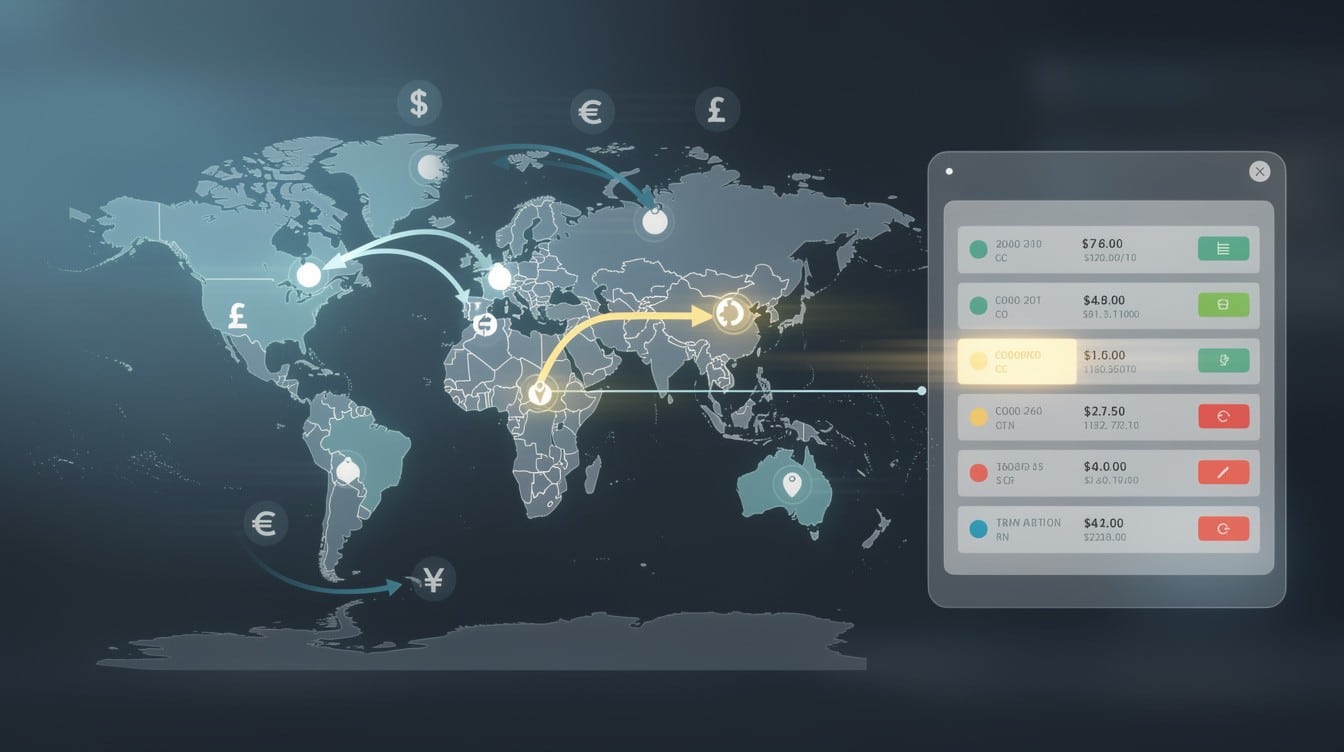
Picture this: your Salesforce system automatically triggers a payment the moment a delivery confirmation hits your CRM. No human intervention, no delays, no forgotten invoices that collect dust in someone’s inbox. This is programmable payments in action, and it already transforms how forward-thinking companies handle their cash flow.
Payments That React in Real Time
Traditional payment systems sit there and wait for someone to push a button. Programmable payments flip this script entirely. J.P. Morgan and Siemens recently tested automated treasury solutions using Kinexys, the world’s first blockchain-based platform for payments transactions. Your Salesforce system can now monitor contract milestones, inventory levels, or service completions and fire off payments instantly when conditions are met.

Business Logic Meets Payment Logic
Here’s where things get spicy. Programmable payments don’t just move money; they follow your business rules while they do it. Set up payment triggers based on approval workflows, customer payment history, or even seasonal cash flow patterns. Naveen Mallela from J.P. Morgan’s Kinexys platform emphasizes that today’s fast-paced economy demands 24/7 payment processing availability. Your payment system becomes an extension of your business intelligence and makes decisions based on data rather than hope and manual processes.
Real-Time Visibility That Actually Works
Forget about wondering where your money went or when it’ll arrive. Programmable payments provide real-time visibility into every transaction, from initiation to settlement. Siemens AG uses this capability to support their transition to real-time treasury operations and enable faster responses to new business models like subscriptions and pay-per-use services. Your finance team gets complete transparency without the usual payment headaches (and without the endless email chains asking “Did the payment go through?”).
The real magic happens when you see how these automated systems transform your entire business workflow. But what specific benefits can your organization expect when you implement programmable payments in Salesforce?
Why Your Finance Team Will Love You
Your finance department spends significant time on manual payment processing, according to recent industry data. Programmable payments in Salesforce flip this equation and free your team to focus on strategic work instead of chasing approvals and fixing payment errors. When Siemens implemented automated treasury solutions, they eliminated weekend payment delays entirely and gained the ability to process transactions based on real-time business events rather than banking hours.
Invoice Processing That Actually Works
Traditional invoice workflows involve multiple handoffs, approval chains, and manual data entry that create bottlenecks. Programmable payments connect directly to your Salesforce opportunity records, contract milestones, and delivery confirmations. Your system automatically generates and processes payments when predetermined conditions are met, cutting invoice-to-payment cycles from weeks to minutes.
Companies that use automated payment systems report 90% faster settlement times compared to traditional banking methods, with transaction costs dropping by similar percentages. The elimination of manual invoice matching alone saves finance teams an average of 15 hours per week (that’s almost two full workdays back in their schedule).

Cash Flow Predictability That Makes CFOs Smile
Programmable payments transform cash flow from guesswork into science. Your Salesforce system can schedule payments based on contract terms, seasonal patterns, and working capital requirements. This creates predictable cash outflows that align with your revenue recognition and helps optimize working capital management.
Finance teams gain real-time visibility into upcoming payments, pending approvals, and settlement status without hunting through multiple systems or email chains. The transparency eliminates those awkward “where’s my payment?” conversations with vendors and partners.
Error Reduction That Saves Your Sanity
Manual payment processing creates opportunities for human error at every step. Wrong amounts, incorrect account numbers, missed deadlines, and duplicate payments cost businesses thousands in corrections and relationship damage. Programmable payments eliminate these risks by automating data validation and execution based on your Salesforce records.
The system cross-references payment details against contract terms, vendor information, and approval workflows before executing any transaction. This built-in verification process catches errors before they become expensive problems (and before your vendors start sending passive-aggressive emails).
But implementation success depends on choosing the right approach for your organization’s specific needs and technical capabilities. Salesforce Native Applications provide seamless integration with existing workflows while maintaining the security and compliance standards your finance team requires.
Which Implementation Path Fits Your Business
Your Salesforce organization has three distinct paths to implement programmable payments, each with different cost structures, timelines, and technical requirements. Native Salesforce applications provide the fastest deployment with zero custom development, typically launching within 2-4 weeks through pre-built solutions available on the AppExchange. These applications integrate directly with your existing Salesforce workflows, opportunity records, and approval processes without additional infrastructure or technical expertise from your team.

Salesforce AppExchange Solutions Win for Speed
The AppExchange marketplace contains over 7,000 applications, but only a handful specialize in blockchain-based payment automation. Web3 Enabler stands as the first authorized ISV partner that offers 100% Salesforce Native blockchain payment applications available on the Salesforce AppExchange. These solutions require minimal workflow changes and integrate with your existing lead-to-cash processes, contract management, and financial reporting within 30 days.
Your finance team can start processing automated payments without learning new systems or changing established workflows (because nobody has time for that learning curve).
API Integrations Create Technical Debt
Third-party processors like Stripe and PayPal offer API integrations that require custom development work, typically taking 3-6 months and costing $50,000-200,000 in development resources. Traditional payment processors require extensive middleware development to connect their APIs with Salesforce automation rules and business logic.
Each integration point creates potential failure modes, security vulnerabilities, and maintenance overhead that compounds over time. Companies that choose API-based solutions often discover that seemingly simple payment triggers require complex error handling, reconciliation processes, and manual intervention when edge cases arise.
Custom Development Demands Resources
Custom development approaches provide maximum flexibility but demand 6-12 months of development time, dedicated engineering resources, and ongoing maintenance costs that often exceed $300,000 annually. The complexity of blockchain integration, regulatory compliance, and security requirements makes custom development the riskiest option for most organizations.
Native Salesforce solutions eliminate these integration challenges by operating entirely within the Salesforce platform architecture. They use standard Salesforce security protocols and automated backup systems that your IT team already manages (no additional headaches for your already overworked tech team).
Final Thoughts
Payment programmability transforms your Salesforce system from a passive record keeper into an active financial engine. Companies that implement automated payment systems report 90% faster settlement times and eliminate the manual errors that cost thousands in corrections and damaged vendor relationships. Your finance team gains predictable cash flow, real-time transaction visibility, and freedom from repetitive payment processing tasks.
The right implementation path makes all the difference for your organization. Native Salesforce solutions provide the fastest deployment with minimal technical risk, while API integrations and custom development create complexity that most businesses don’t need. Web3 Enabler offers authorized ISV partner solutions on the Salesforce AppExchange that enable blockchain-based payment automation within your existing workflows without additional infrastructure or technical expertise.
The future of business payments moves toward complete automation, where your CRM triggers payments based on contract milestones, delivery confirmations, and business logic rather than manual intervention. Organizations that implement programmable payments now gain competitive advantages in cash flow management, vendor relationships, and operational efficiency that compound over time (and leave their competitors wondering how they got so efficient). Payment programmability represents the next evolution in business finance, and early adopters position themselves for sustained competitive advantage.