

Your payment system is probably slower than your coffee machine, and that’s costing you real money every single day.
At Web3 Enabler, we’ve watched businesses hemorrhage revenue because their payment infrastructure can’t keep pace with customer expectations. Salesforce payments modernization isn’t some fancy upgrade-it’s the difference between staying competitive and getting left behind.
Why Your Payment System Is Costing You Money
Your payment infrastructure probably moves slower than your coffee machine, and that’s costing you real money every single day. Legacy systems don’t just waste time-they actively drain your bottom line. When transactions take days to settle, when data lives in disconnected silos, and when manual reconciliation eats up your finance team’s time, you’re not just being inefficient. You’re bleeding revenue while your competitors move faster.
The Money Leaking Out of Your Operations
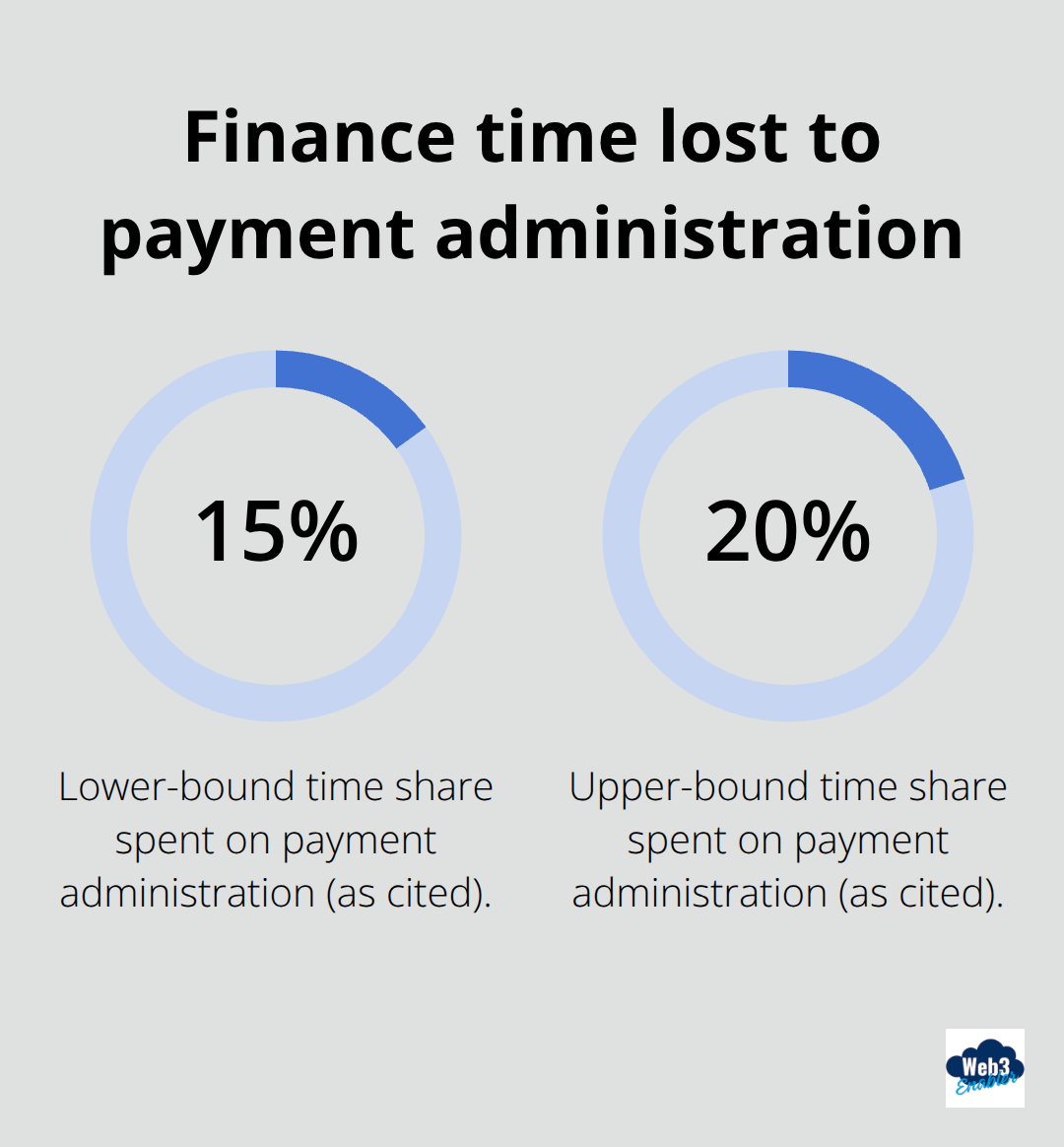
Every day your payment system requires manual intervention, someone on your team performs work that should happen automatically. Finance professionals spend countless hours matching payments to invoices, chasing down missing transactions, and handling payment inquiries that should resolve themselves. That’s not just annoying-it’s expensive. A finance professional costs your company roughly $75,000 to $120,000 annually, and if they spend 15 to 20 percent of their time on payment administration, you throw away $11,000 to $24,000 per person per year on tasks that modern payment infrastructure handles instantly.
Real-time visibility across payment data within Salesforce eliminates these manual workflows. Tableau CRM and Salesforce’s analytics tools provide immediate insight into cash flow, payment performance, and revenue forecasting without the spreadsheet gymnastics. When your payments system talks directly to your CRM, your ERP, and your banking infrastructure through integrations like MuleSoft, you stop losing money to delays and errors.
Friction Points That Kill Revenue
Customers expect frictionless payment experiences across channels-online, mobile, in-store. Systems that can’t deliver unified payments across these touchpoints watch customers abandon transactions. Salesforce Commerce Cloud enables exactly this kind of cross-channel payment capability, meaning you capture revenue that legacy systems would leave on the table. When you remove every obstacle between a customer’s intent to pay and an actual transaction, conversion rates climb.
Speed Creates Measurable Competitive Advantage
Businesses that modernize their payment infrastructure see immediate improvements in cash conversion cycles and customer satisfaction. When settlements happen in minutes instead of days, your working capital improves right away. The companies winning in their markets right now aren’t the ones with the fanciest technology-they’re the ones who removed every barrier between customer intent and actual payment completion.
Modernized payment systems also give you the flexibility to expand into new markets and payment methods without rebuilding your entire infrastructure. Supporting new payment options takes weeks with a modern platform instead of months with legacy systems. That speed matters when market opportunities appear-and they appear constantly in today’s competitive landscape.
This is where the real transformation starts. Your payment infrastructure doesn’t just support transactions; it shapes how fast you can respond to market changes, how many customers you can serve, and whether you capture revenue or watch it slip away. The next section shows you how to actually build this unified experience within your Salesforce ecosystem.
How to Wire Payments Into Salesforce Without Breaking Everything
Integrating payments directly into Salesforce sounds simple until you realize your current setup involves three different platforms, two spreadsheets, and a finance manager who knows where all the bodies are buried. The good news: Salesforce Commerce Cloud, combined with MuleSoft integration capabilities, lets you thread payments into your CRM without ripping out your existing infrastructure. This matters because every disconnected system between your customer record and a completed transaction is a place where revenue leaks. When payments live inside Salesforce rather than bolted onto the side, your team sees the full customer journey instantly.
Connect Your Payment Data in One Place
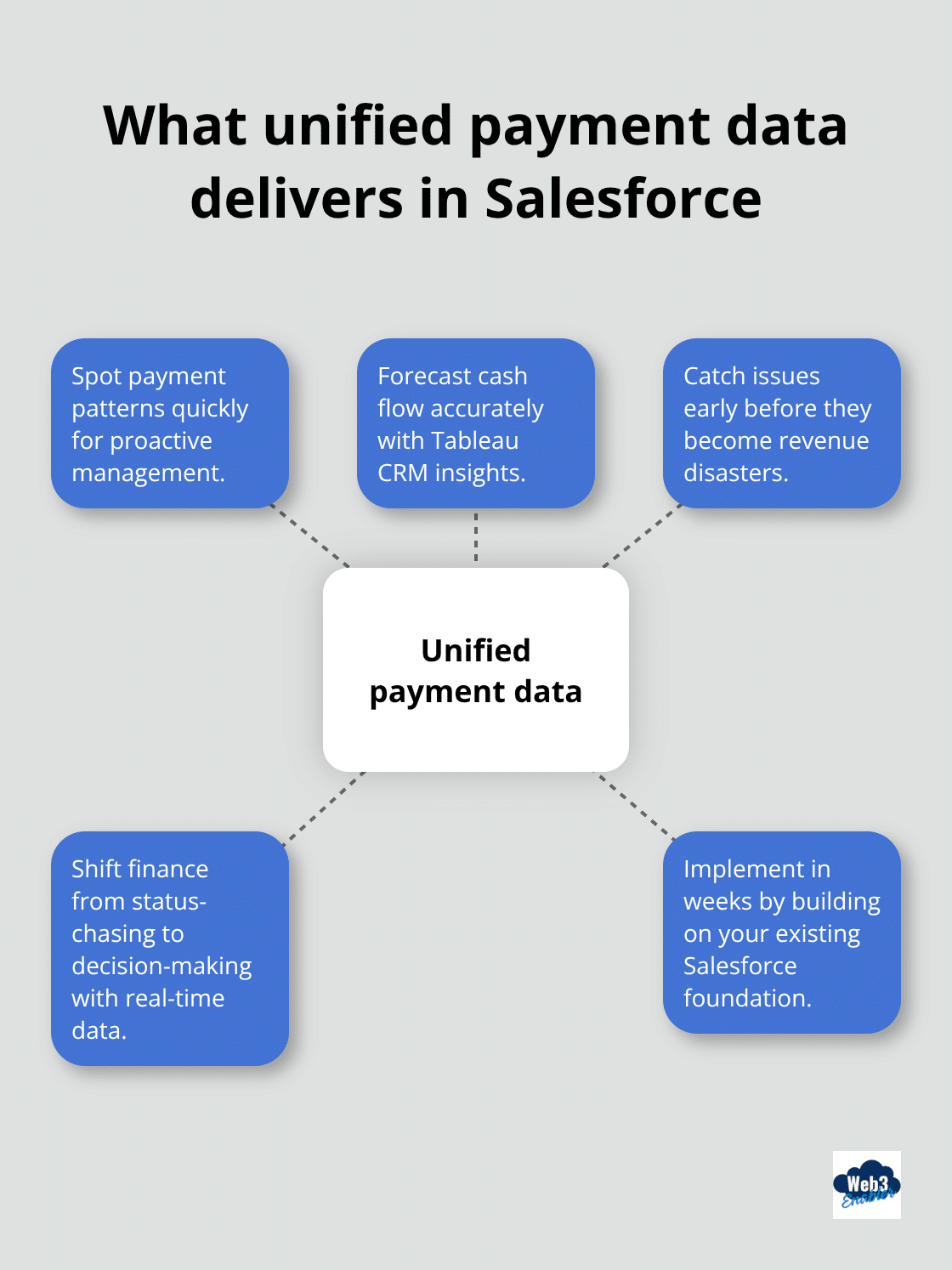
A customer’s payment history, outstanding invoices, and transaction status all sit in one place instead of scattered across banking platforms, accounting software, and someone’s email. Tableau CRM transforms this unified data into actionable insights-you spot payment patterns, forecast cash flow accurately, and catch problems before they become revenue disasters. Your finance team stops chasing down transaction statuses and starts making decisions based on real-time data. Implementation takes weeks instead of months because you build on top of your existing Salesforce foundation rather than replacing it entirely.
Eliminate the Friction That Kills Conversions
Customers abandon transactions when payment experiences feel clunky. Salesforce Commerce Cloud enables unified payments across every channel your customers actually use-web, mobile, in-store. When you remove friction from the payment experience, conversion rates move upward. The platform supports multiple payment methods in a single checkout flow, meaning customers who prefer digital wallets, cards, or stablecoins all move through the same streamlined process.
Real friction disappears when your inventory system talks to your payment system talks to your fulfillment system. A customer sees accurate stock levels, pays securely, and receives confirmation instantly because everything happens in one connected ecosystem. Manual payment reconciliation vanishes too-when transactions settle in real-time and sync automatically to your accounting system via MuleSoft, your team never manually matches a payment to an invoice again.
Automate Payments Without Writing Code
The no-code business rules engine lets you automate payment-related workflows like refunds, approvals, and disputes without writing a single line of code. You deploy payment automation in weeks instead of months. This speed matters because market opportunities appear constantly, and you need to respond faster than competitors still stuck with legacy systems.
See Everything That Happens to Your Money
Real-time visibility into payment data changes how you run your business. Tableau analytics shows you exactly which products, customers, and channels generate the most revenue, which ones are struggling, and where cash actually flows. You spot patterns a human reviewing reports would miss entirely. When a payment method starts failing for a specific customer segment, you see it immediately and fix it before revenue tanks.
Digital Wallet functionality provides near-instantaneous usage data that lets you optimize billing cycles and pricing decisions on actual behavior rather than guesses. Your finance team gains visibility into cash position, outstanding receivables, and revenue forecasting without building custom dashboards or waiting for monthly close cycles. This visibility becomes your competitive advantage because you respond to market changes faster than competitors still trapped in manual reporting cycles.
The real transformation happens when you move beyond just connecting systems. You need to think about what happens when your payment infrastructure can actually support new payment methods-like stablecoins-without months of engineering work. That’s where global payments and emerging technologies enter the picture.
Why Stablecoins and Blockchain Actually Matter for Your Bottom Line
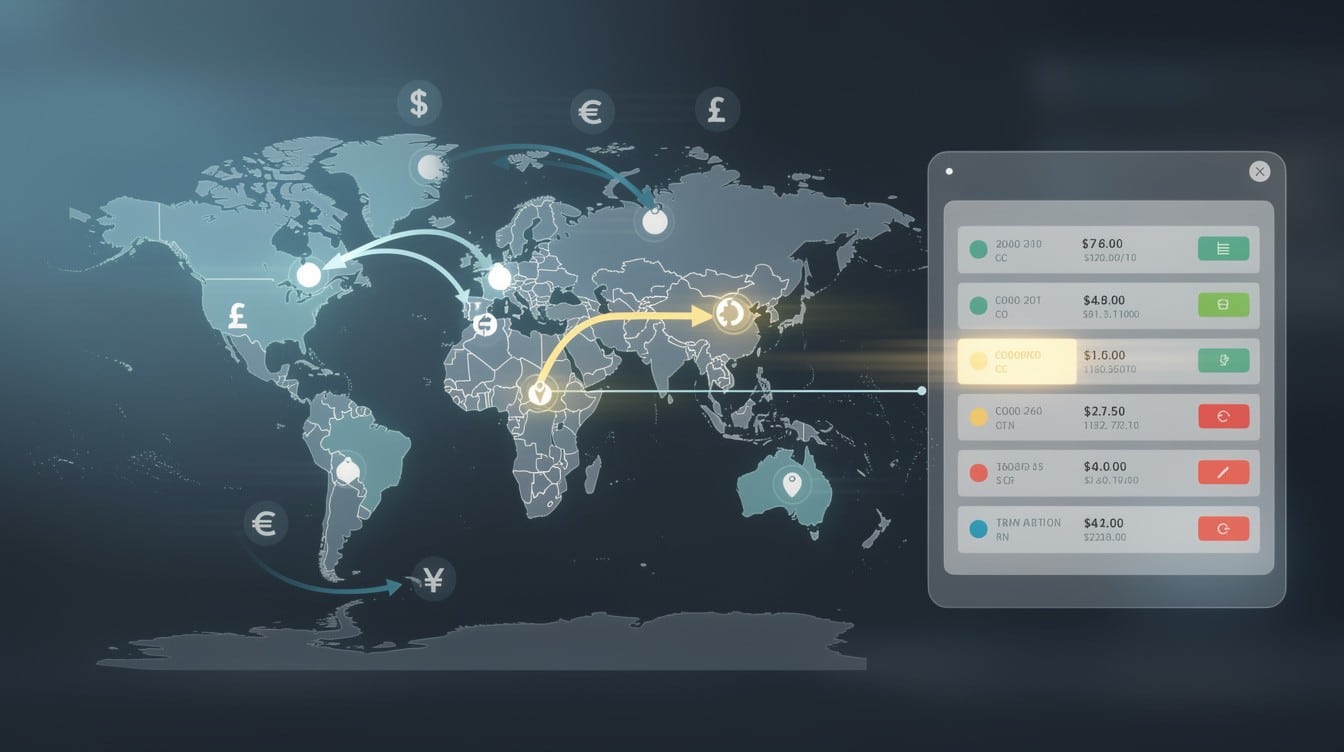
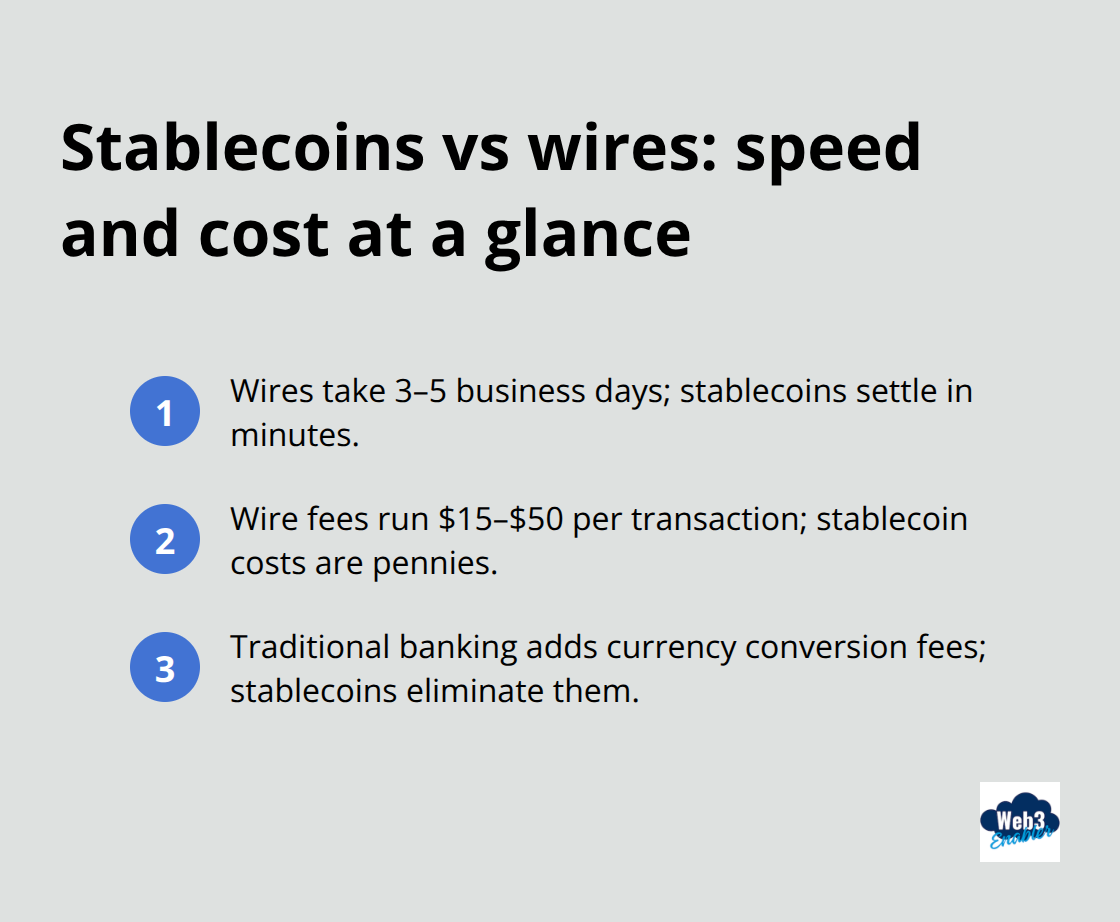
Cross-border payments move at the speed of legacy banking systems, which means they move at the speed of molasses in January. A wire transfer between continents takes three to five business days, costs $15 to $50 per transaction, and introduces currency conversion fees that compound your expenses. When you run a global business, those delays add up fast. Stablecoins settle in minutes instead of days, cut transaction costs to pennies, and eliminate the currency conversion games that traditional banking uses to extract value from your business.
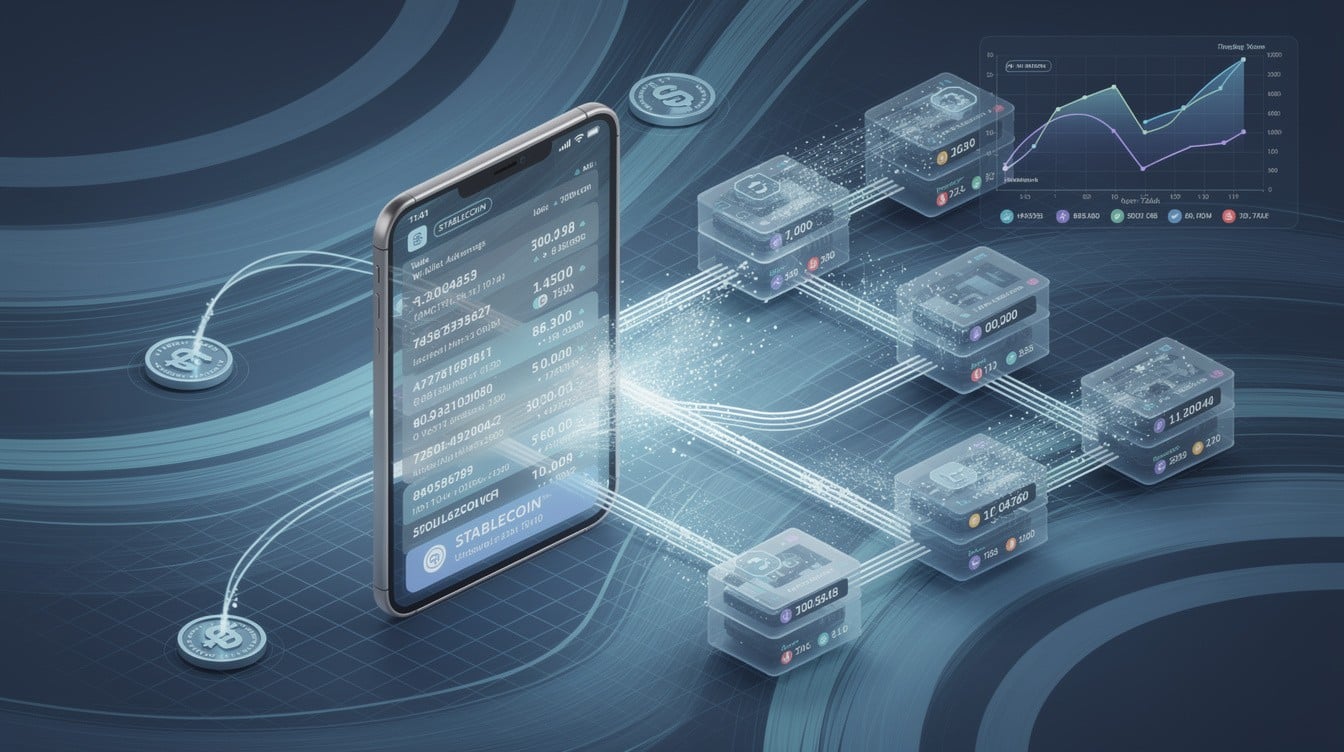
The infrastructure to support stablecoin payments exists right now-it’s not some theoretical future state. Web3 Enabler, a Salesforce ISV partner, has built Salesforce-native solutions that let you accept stablecoin payments and send global payments without abandoning your existing systems. This matters because your payment infrastructure should work at internet speed, not banking speed. When you integrate stablecoin capabilities directly into Salesforce through MuleSoft, your customers in Singapore can pay you in minutes with complete certainty about settlement. Your finance team sees the transaction in real-time, reconciliation happens automatically, and your working capital improves immediately.
The competitive advantage here is brutal: companies accepting stablecoins capture revenue faster than competitors waiting for traditional wire transfers to clear. You also unlock the ability to operate in markets where traditional banking infrastructure is unreliable or expensive. A business in an emerging market doesn’t need to wait for correspondent banking relationships-they can transact in stablecoins immediately.
Real Settlement Speed Changes Everything
Traditional payment networks require intermediaries at every step. Wire transfers route through correspondent banks, each taking cuts and adding delays. Blockchain-native payment solutions eliminate these middlemen entirely. A stablecoin transaction settles with finality in minutes because the blockchain itself is the settlement layer-no waiting, no intermediaries, no uncertainty.
This speed advantage compounds when you manage supplier payments, customer refunds, or international payroll. A business paying contractors across fifteen countries processes all payments in a single transaction batch that settles in minutes rather than spreading payments across multiple banking channels over several days. The cost difference is staggering: traditional wire transfers cost $15 to $50 each, while blockchain transactions cost fractions of a cent. If you move $100,000 internationally through a bank, you lose $15 to $50 to wire fees alone. Through stablecoins, that same transaction costs less than $1. Scale that across thousands of transactions annually and you’re talking about tens of thousands of dollars flowing directly to your bottom line instead of banking fees.
The settlement certainty matters too-once a blockchain transaction confirms, it’s final. No chargebacks, no reversals, no disputes three weeks later. This eliminates the risk exposure that traditional payment methods introduce.
Supporting Every Payment Method Without Rebuilding Everything
Your customers expect choice in how they pay. Some want credit cards, some want digital wallets, some increasingly want stablecoin options. Building payment infrastructure that supports all three methods traditionally means integrating with multiple payment processors, each with different APIs, different reconciliation requirements, and different settlement timelines. That’s expensive and fragile.
Salesforce Commerce Cloud combined with blockchain-native solutions lets you offer multiple payment methods through a single integration. A customer chooses their preferred payment method at checkout-card, wallet, or stablecoin-and your backend handles everything consistently. Your finance team sees all transactions in one place through Tableau CRM, regardless of payment method. Reconciliation happens automatically because transactions sync to your accounting system in real-time.
This unified approach eliminates the nightmare of managing multiple payment processors with different settlement dates and fee structures. When stablecoin payments settle in minutes while card payments take three days, your accounting team previously had to manage two separate reconciliation processes. With proper Salesforce integration, everything reconciles automatically in real-time. The operational simplicity translates directly to cost savings and faster cash conversion cycles.
Emerging Markets and Payment Reliability
Traditional banking infrastructure fails in many regions where your customers and suppliers actually operate. Correspondent banking relationships take months to establish, and fees eat into margins. Stablecoin infrastructure works anywhere with internet access, which means you operate in markets that competitors can’t easily reach. A supplier in a region with unstable currency or limited banking access can receive payment in stablecoins and convert to local currency immediately if they choose. You capture business opportunities that competitors miss entirely because they’re still waiting for banking relationships to materialize.
Final Thoughts
Payment modernization stops being optional the moment your competitors start moving. Your finance team wastes thousands annually on manual reconciliation while your cash conversion cycles lag behind faster-moving rivals. Salesforce payments modernization transforms how you operate-settlements happen in minutes instead of days, your team stops chasing transactions and starts making strategic decisions, and your customers experience frictionless checkout that actually converts.
The technical barriers that once blocked payment modernization have vanished entirely. Salesforce Commerce Cloud, MuleSoft integration, and blockchain-native solutions let you modernize without dismantling your existing systems. You build on what you already have, deploy in weeks instead of months, and start capturing value immediately. Early movers capture market share while competitors still evaluate their options.
Audit your current payment infrastructure and identify where friction costs you the most money. Then connect with Web3 Enabler to understand how modern payment technologies work within your Salesforce ecosystem. The competitive advantage belongs to organizations that move now.
Salesforce Payments Modernization FAQ
What is Salesforce payments modernization?
Salesforce payments modernization is the process of connecting payment acceptance, processing, settlement visibility, and reconciliation to your Salesforce environment so your teams can manage payments with fewer tools, fewer manual steps, and faster reporting.
Does Salesforce support payments inside Commerce and Order Management?
Yes. Salesforce Payments can support payment processing for Salesforce B2B and D2C Commerce and Salesforce Order Management, including tokenization and payment authorizations.
What payment methods can Salesforce Payments support?
Salesforce Payments can support common methods like credit cards and digital wallets, plus other alternative payment methods depending on your configuration and providers.
How does Salesforce Payments help with fraud prevention?
Salesforce Payments can include fraud protection features such as 3D Secure authentication, which adds an extra layer of verification for online transactions.
How do you integrate payments into Salesforce without replacing existing systems?
Most teams integrate payment data through APIs so Salesforce can sync with ERP, accounting, gateways, and banking systems. This lets you modernize in phases without rebuilding everything at once.
How does MuleSoft help with payment integration?
MuleSoft helps you connect Salesforce with other apps and data sources using reusable APIs, which is especially useful when payment data needs to flow across commerce, finance, fulfillment, and reporting systems.
How do you get real-time visibility into payment performance inside Salesforce?
You can use Salesforce-native analytics to monitor cash collection, payment success rates, settlement status, and exceptions in the flow of work, reducing spreadsheet-based reporting and improving decision speed.
How does payments modernization reduce manual reconciliation?
When payment events sync into Salesforce objects and your finance stack automatically, teams spend less time matching payments to invoices and more time resolving true exceptions like declines, disputes, or refunds.
What security and compliance requirements should we plan for?
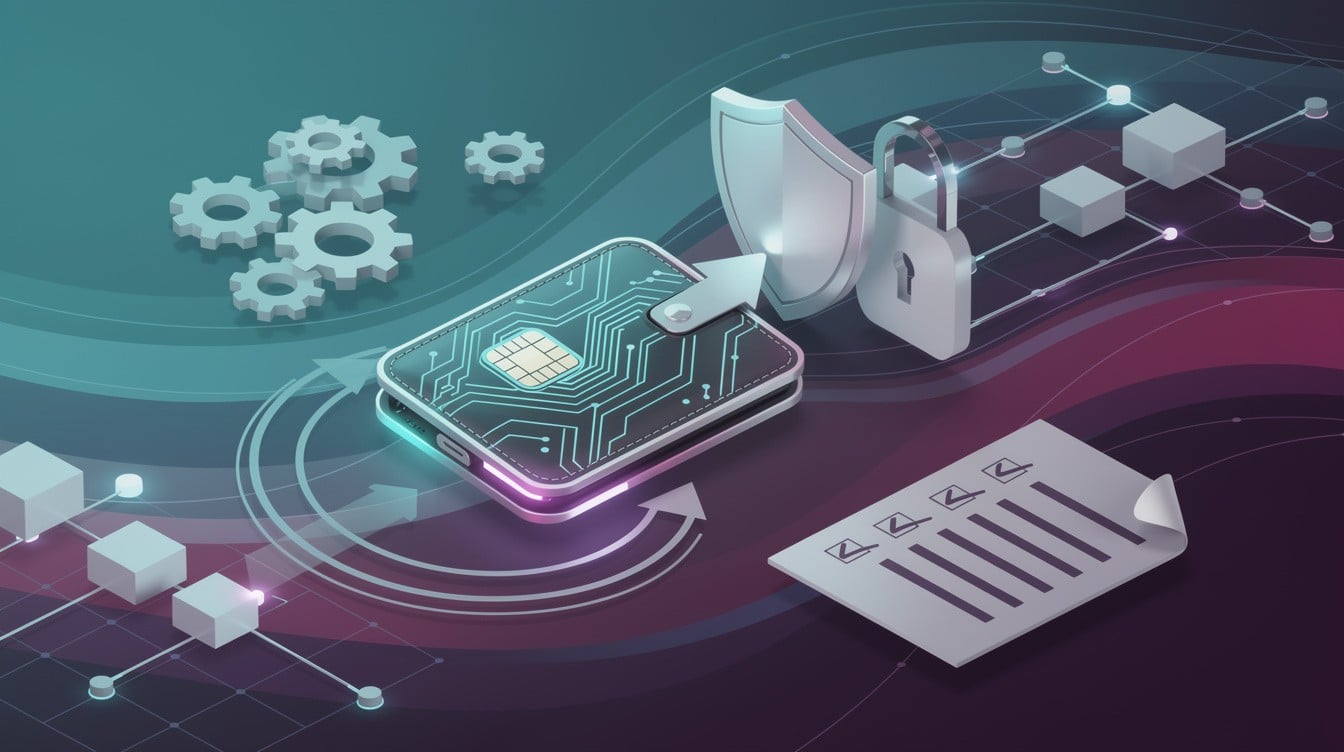
If you accept card payments, PCI DSS requirements apply. A modern approach typically uses tokenization, strong authentication, access controls, and auditable logs to reduce risk and simplify compliance.
When do stablecoins and blockchain payments make sense in a Salesforce payments strategy?
Stablecoins can be useful for cross-border settlement speed and 24/7 movement of value, especially when traditional rails are slow or costly. Many businesses explore stablecoins as an additional rail, not a replacement for all existing methods.
What ROI metrics should we track during a Salesforce payments modernization initiative?
Common metrics include reconciliation time saved, payment failure rate, chargebacks and fraud rates, settlement time, cash conversion cycle improvements, and support ticket volume related to payment status and refunds.