


 Subscription businesses are booming, but payment processing still feels stuck in the stone age. Traditional recurring payments come with hefty fees, slow settlements, and endless chargebacks that make your accountant cry.
We at Web3 Enabler know there’s a better way. Recurring crypto payments offer lower costs, faster processing, and global reach without the banking middleman drama.
Ready to automate your revenue stream with blockchain technology?
What Are Recurring Crypto Payments
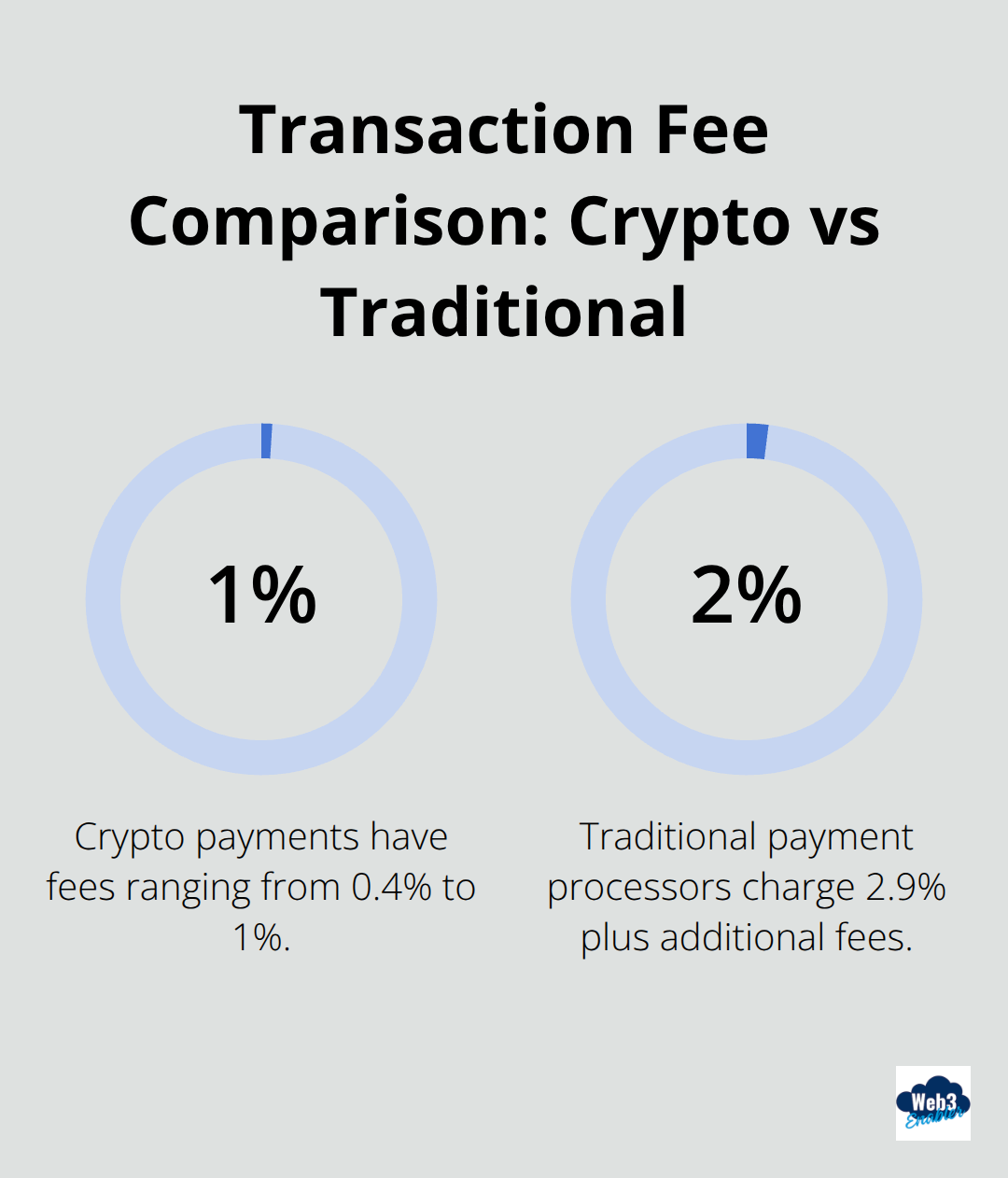
Recurring crypto payments execute transactions automatically at predetermined intervals through smart contracts, much like your Netflix subscription charges monthly but without traditional banks. These systems use programmable blockchain protocols to process payments directly between digital wallets, which eliminates credit card processors and bank intermediaries. Platforms like Loop Crypto and Superfluid have made this technology accessible to businesses of all sizes, with transaction fees that typically range from 0.4% to 1% compared to traditional payment processors that charge 2.9% plus additional fees.
The Financial Reality Check
Traditional recurring payments cost businesses significantly more than most realize. Credit card fees alone consume 2-4% of each transaction, while chargebacks add another layer of complexity with dispute fees that average $84 per incident according to industry data. Crypto payments eliminate chargebacks entirely since blockchain transactions are irreversible, and settlement happens within minutes rather than the 2-3 business days typical with traditional processors. Stablecoins like USDC and USDT provide price stability while they maintain these operational advantages (making them particularly attractive for subscription services and B2B payments).
Real Business Applications
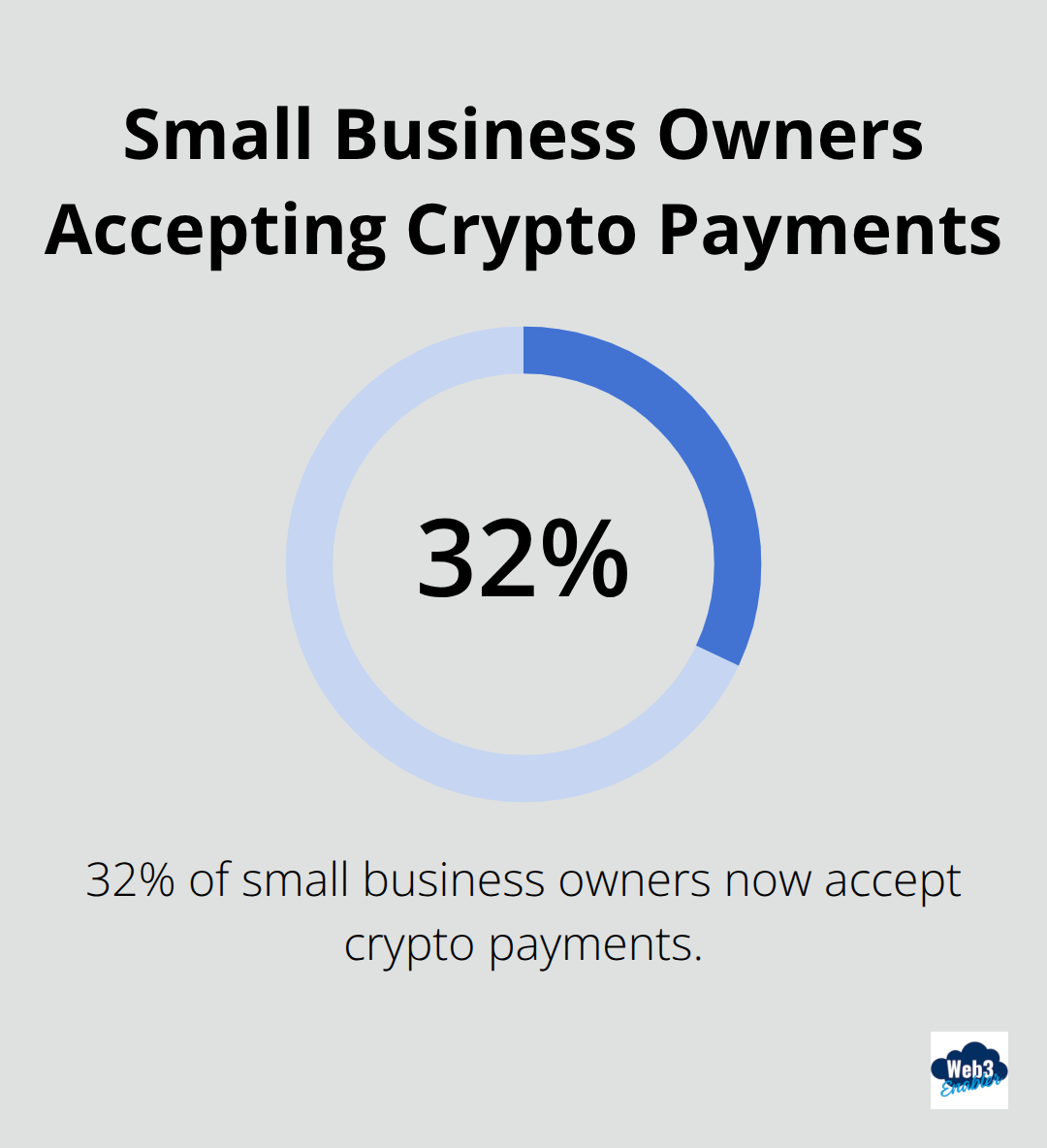
The subscription economy has embraced crypto payments faster than expected, with 32% of small business owners now accepting crypto payments according to recent market data. SaaS companies benefit most from instant settlement and global accessibility, while content creators and freelancers use platforms like Bitwage and Deel to receive regular payments without banking delays. Gaming companies and digital service providers find crypto particularly valuable for micropayments and international customers who lack traditional banking access (creating revenue streams that were previously impossible with conventional payment systems).
Technical Implementation Made Simple
Modern crypto payment systems handle the complex blockchain interactions behind user-friendly interfaces that feel familiar to traditional payment setups. Merchants configure payment amounts, frequencies, and customer wallet addresses through dashboard interfaces, while smart contracts execute the actual transactions automatically. The technology supports various payment schedules from daily to annual intervals, with built-in features for payment retries and customer notifications when transactions fail or wallets lack sufficient funds.
Now that you understand how crypto payments transform recurring transactions, let’s explore the specific advantages they offer over traditional payment methods.
Which Platform Should You Choose
The right crypto payment platform transforms your recurring payment system from a technical challenge into a revenue powerhouse. Cryptomus leads with 0.4% merchant fees and supports over 100 cryptocurrencies, which makes it cost-effective for high-volume businesses. CoinGate offers instant fiat conversion across 70+ cryptocurrencies, while BitPay provides enterprise-grade compliance features that satisfy regulatory requirements. Loop Crypto specializes in subscription automation with smart contract integration that handles payment retries automatically. Most platforms integrate through standard APIs within 2-3 days, but Cryptomus offers the fastest setup with pre-built plugins for WooCommerce, Shopify, and major CMS platforms.
Integration Without the Headaches
Modern crypto payment platforms connect to existing business systems through REST APIs that mirror traditional processors like Stripe and require minimal developer resources. Cryptomus and CoinGate provide webhook notifications that sync payment data directly with CRM systems, accounting software, and subscription management tools. The integration process typically requires API key configuration, webhook endpoint setup for payment confirmations, and customer data field mapping between systems. Most businesses complete basic integration within one week, while advanced features like automated invoicing and customer portal access add another 1-2 weeks. Testing environments allow you to process mock transactions before you go live (preventing costly mistakes that could disrupt customer billing cycles).
Customer Management That Actually Works
Effective recurring crypto payments require robust customer management systems that handle wallet addresses, payment schedules, and failure notifications automatically. Platforms like Cryptomus provide customer dashboards where users can update payment methods, view transaction history, and manage subscription preferences without contacting support. Smart contract-based systems can pause subscriptions for insufficient funds rather than cancel them entirely, which gives customers 48-72 hours to add funds before service interruption. Payment retry logic should attempt failed transactions 2-3 times over 5 days, with automated email notifications that include specific instructions for resolving wallet balance issues or network congestion problems.
Configuration That Makes Sense
Payment schedule configuration determines how smoothly your recurring system operates once customers start subscribing. Most platforms support standard intervals from daily to annual payments, with custom scheduling options for businesses with unique billing cycles. You can set payment amounts in either crypto or fiat currency (with automatic conversion at transaction time), configure grace periods for failed payments, and establish customer notification preferences. Advanced platforms allow you to create multiple subscription tiers with different payment frequencies, set up promotional pricing that expires automatically, and configure tax calculations for different jurisdictions.
Once you’ve selected your platform and configured the basic settings, the next step involves connecting these crypto payment systems to your existing business infrastructure and workflows.
How Do You Manage Crypto Payment Issues
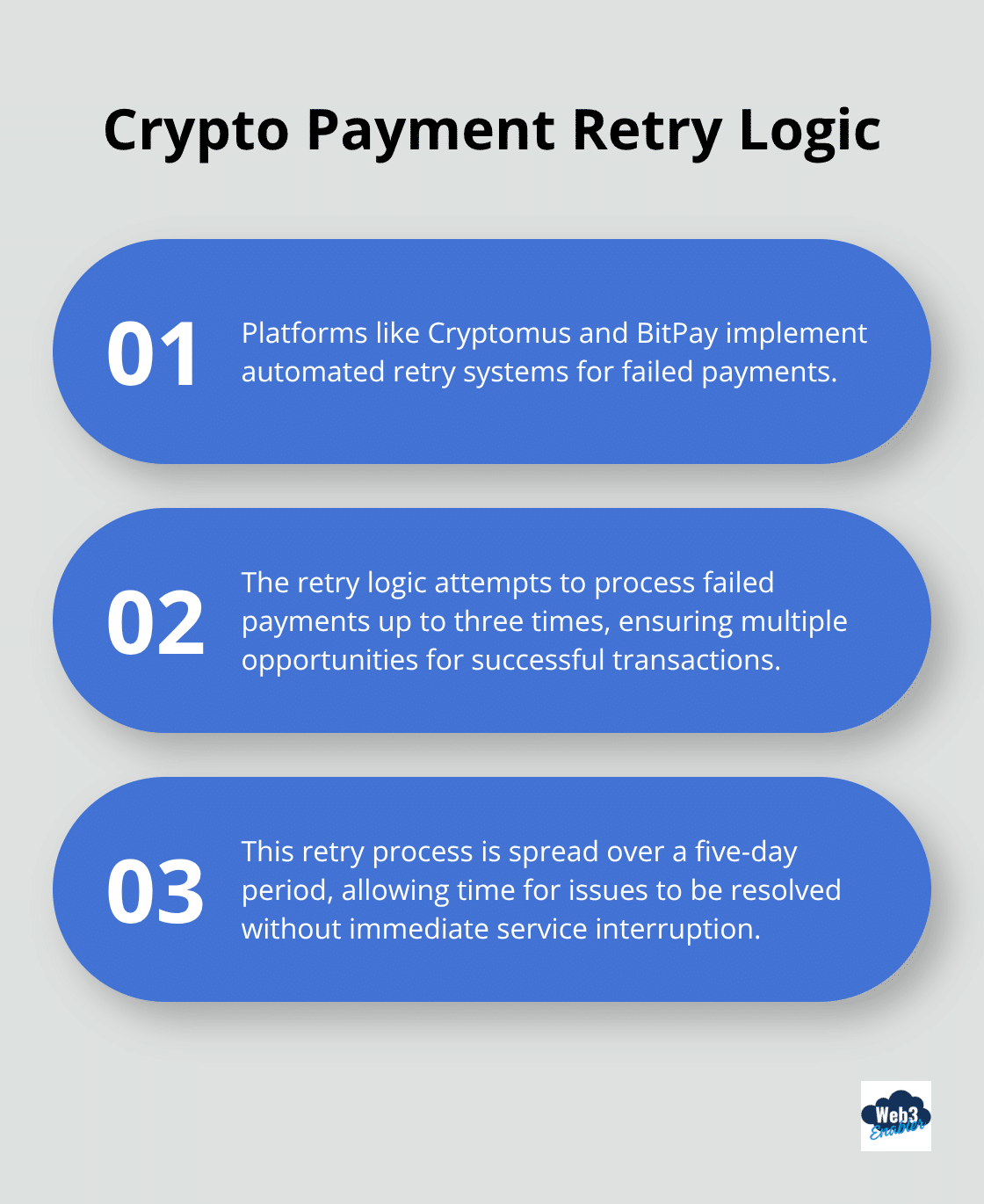
Payment failures with crypto require careful management, but proper handling transforms these challenges into competitive advantages. Failed crypto payments need immediate automated responses that retry transactions within 24 hours, send specific instructions to customers, and provide clear resolution timelines. Cryptomus and BitPay offer built-in retry logic that attempts failed payments three times over five days, while platforms like CoinGate provide customer notification systems that include wallet balance requirements and tutorials. Your retry strategy should pause subscriptions rather than cancel them immediately (this gives customers 72 hours to resolve issues before service interruption occurs).
Customer Communication That Works
Clear communication prevents many payment failures before they happen. Automated email sequences should explain wallet balance requirements, network fee calculations, and common resolution steps in plain language. Customers need specific instructions about which cryptocurrency to use, exact amounts including network fees, and wallet address verification steps. Smart notification systems send balance warnings 48 hours before scheduled payments and provide direct links to popular exchanges where customers can purchase required cryptocurrencies. Follow-up messages should include transaction IDs, estimated confirmation times, and support contact information for complex issues.
Tax Compliance Without Confusion
Crypto payments create taxable events under IRS regulations that require documentation of fair market value at transaction time. Each recurring payment generates tax obligations based on USD value when received, not when converted to fiat currency. Platforms like Request Finance provide automated tax reports that calculate gains and losses for each transaction, while BitPay offers built-in compliance features that generate 1099 forms automatically. European businesses must comply with MiCA framework requirements that mandate transaction reports above specific thresholds. Smart contract platforms should integrate with accounting software like QuickBooks or Xero to maintain real-time tax records that satisfy audit requirements.
Security That Protects Revenue
Multi-signature wallet configurations and hardware security modules protect recurring payment systems from significant crypto losses reported annually due to security breaches. Your payment infrastructure should use cold storage for funds not immediately needed for transactions, implement IP restrictions for admin access, and require two-factor authentication for all payment configuration changes. Platforms that process substantial monthly volumes should implement additional security layers that include transaction monitors for unusual payment patterns and automated wallet rotation that changes addresses periodically. Customer education through onboarding tutorials and regular security updates teaches proper wallet management and phishing attack recognition.
Final Thoughts
Recurring crypto payments transform subscription businesses from fee-heavy traditional systems to streamlined blockchain operations. Smart contracts eliminate chargebacks completely while settlement happens within minutes instead of days. Platforms like Cryptomus and BitPay provide the infrastructure businesses need to automate payments without traditional banking complications.
The payment automation space evolves rapidly as stablecoin adoption accelerates and regulatory frameworks like MiCA create clearer compliance paths. Institutional acceptance grows stronger each quarter, which drives innovation in payment technology and customer experience. Businesses that adopt these systems now position themselves ahead of competitors still wrestling with traditional payment processors.
Start your transition with a pilot program that uses stablecoins to minimize volatility concerns while you build operational knowledge. Choose platforms that match your transaction volume and offer robust integration capabilities (testing small amounts first helps avoid costly mistakes). Web3 Enabler helps businesses integrate blockchain payment solutions directly into their existing systems for smoother operational transitions.