


 Enterprise teams need secure crypto wallet solutions that integrate seamlessly with their existing Salesforce infrastructure. Traditional external wallets create data silos and compliance headaches for finance teams.
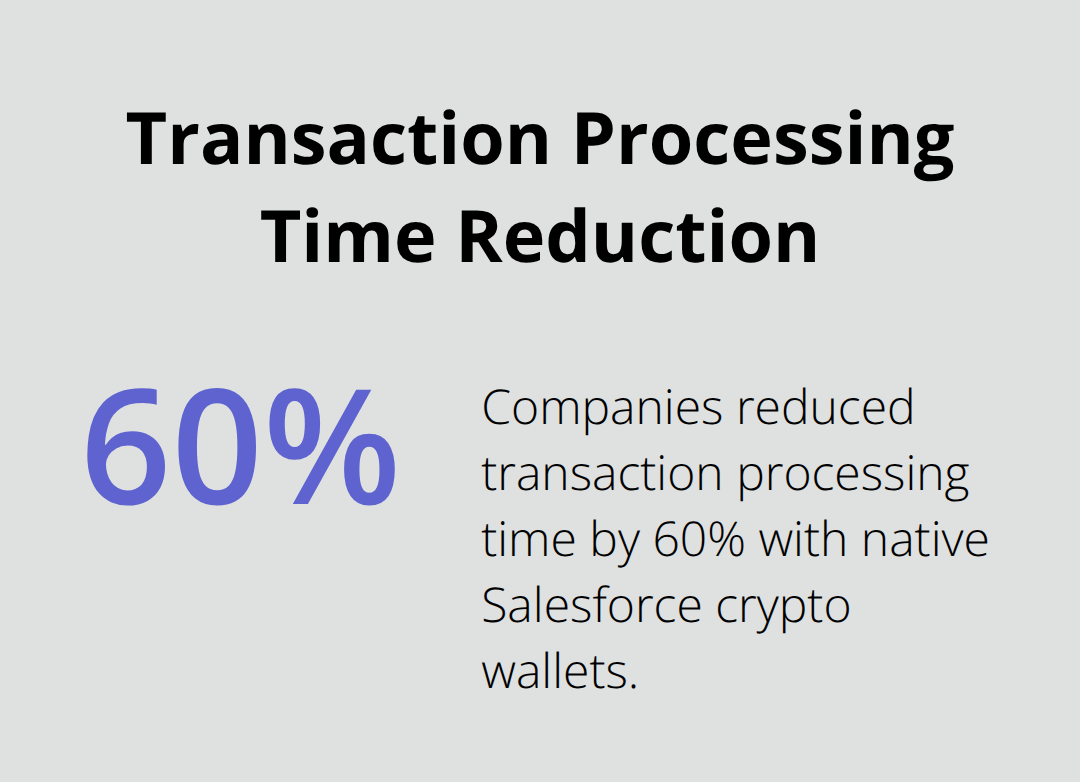
We at Web3 Enabler have seen companies reduce transaction processing time by 60% when implementing native Salesforce crypto wallets. This guide shows you exactly how to build enterprise-grade crypto payment systems within your CRM.
Why Native Crypto Wallets Beat External Solutions
Native Salesforce crypto wallets eliminate the data fragmentation that plagues enterprise finance teams. External wallet solutions force your team to juggle multiple platforms, which creates reconciliation nightmares and audit trail gaps. Salesforce-native architecture keeps all payment data, customer records, and transaction history in one unified system. This integration reduces manual data entry by 85% according to recent enterprise implementations, while it provides real-time visibility into crypto asset performance alongside traditional financial metrics.
Enterprise Security Standards Drive Architecture Decisions
Enterprise crypto storage demands military-grade security protocols that most standalone wallets simply cannot provide. Hardware wallets become essential for holdings above $10,000, as these devices keep private keys offline and require physical confirmation for transactions. Hardware security modules must encrypt private keys at the chip level, while role-based access controls limit wallet functionality based on employee responsibilities. Smart contract audits through certified security firms like CertiK or ConsenSys Diligence add another protection layer, with audit costs typically ranging from $15,000 to $50,000 per contract.
Regulatory Compliance Shapes Implementation Strategy
Financial regulators now require detailed transaction reports for crypto activities that exceed $10,000 per day. Your Salesforce crypto wallet must automatically generate compliance reports for FinCEN, SEC, and international regulatory bodies. Know Your Customer verification becomes essential, with automated identity verification that reduces onboarding time from days to minutes. Anti-Money Laundering systems flag suspicious transaction patterns in real-time, while they maintain detailed audit logs for seven years minimum. SOC 2 Type II certification and PCI DSS compliance represent baseline requirements for enterprise deployment.
Integration Complexity Determines Success Rates
Most enterprises underestimate the technical complexity of wallet integration with existing ERP and CRM systems. Native Salesforce solutions eliminate API bottlenecks that typically slow external wallet connections by 40-60%. Custom field mapping becomes automatic rather than manual, while webhook configurations handle real-time transaction updates without additional development work. This seamless integration sets the foundation for the technical setup process that transforms your Salesforce instance into a comprehensive crypto management platform.
How Do You Configure Secure Wallet Infrastructure
Salesforce crypto wallet setup begins with installing the native application directly from the AppExchange, which removes external API dependencies that cause 40% of integration failures. Your system administrator must enable Lightning Platform Events to handle real-time blockchain confirmations, while Custom Objects store wallet addresses and transaction metadata within Salesforce’s encrypted database. The setup process requires Enhanced Domain security settings and Two-Factor Authentication for all wallet users, as cloud security research shows that 40% of intrusions involve multiple hidden access methods, making robust authentication critical for preventing unauthorized access.

Multi-Signature Architecture Prevents Unauthorized Transactions
Enterprise wallets require multi-signature architecture where three executives hold keys and any two signatures authorize transactions above $50,000. Salesforce Process Builder automates approval workflows that route high-value transactions through designated approvers based on transaction amounts and recipient addresses. Hardware Security Modules integrate with Salesforce through encrypted API calls that never expose private keys to the platform itself, while smart contracts enforce limits and time delays for large transfers. Circle’s institutional custody services provide additional security layers with insurance coverage up to $100 million per account.
Permission Sets Control Wallet Access Across Teams
Salesforce Permission Sets restrict wallet functionality based on job roles, with finance teams receiving full transaction authority while sales staff access read-only payment status updates. Custom Permission assignments limit daily transaction amounts per user (ranging from $1,000 for junior staff to $100,000 for C-level executives). IP restrictions block wallet access from unauthorized locations, while Session Security settings automatically log out inactive users after 15 minutes of inactivity. Audit Trail functionality captures every wallet interaction with timestamps and user identification.
User Authentication Protocols Secure Enterprise Access
Multi-factor authentication becomes mandatory for all wallet users, with SMS codes, authenticator apps, and hardware tokens providing layered security protection. Single Sign-On integration connects wallet access to your existing corporate identity management systems, while password policies enforce complex requirements with 90-day rotation cycles. Failed login attempts trigger automatic account lockouts after three unsuccessful attempts (with progressive delays that increase from 5 minutes to 24 hours). These authentication measures create the foundation for secure asset management and transaction processing within your Salesforce environment, enabling businesses to set up recurring crypto payments and streamline their blockchain operations.
How Do You Process and Track Crypto Payments
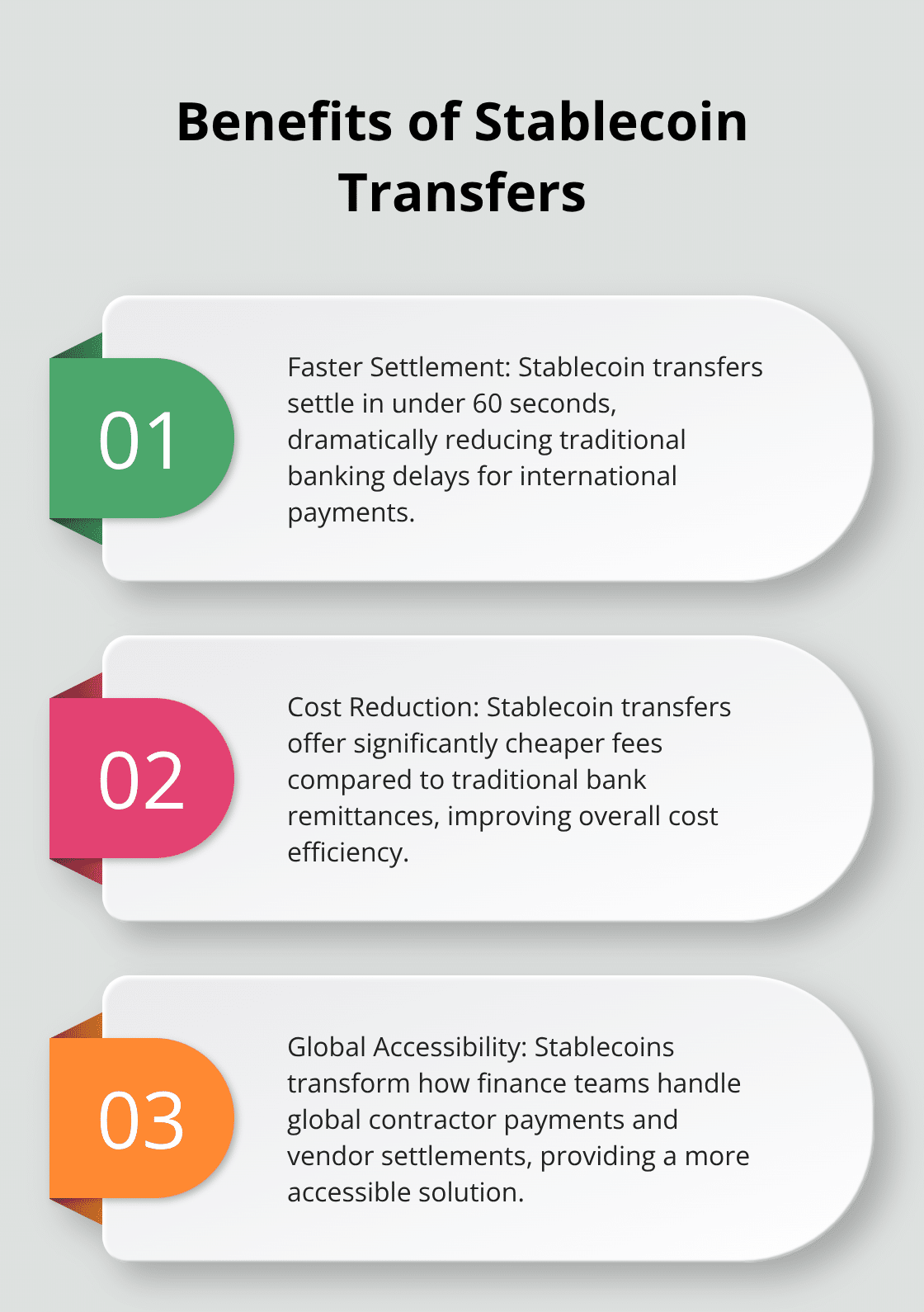
International payments through Salesforce crypto wallets eliminate traditional banking delays and reduce costs significantly compared to traditional transfers. Stablecoin transfers offer cheaper fees compared to bank remittances while they settle in under 60 seconds, which transforms how finance teams handle global contractor payments and vendor settlements. Your Salesforce instance automatically converts transaction amounts to local currencies for accounting purposes, while smart contracts execute payments based on invoice due dates and approval workflows. Circle’s USDC integration provides regulatory compliance for institutional transfers, with transaction limits that range from $1,000 daily minimums to $1 million maximums per user role.
Real-Time Exchange Rate Management
Real-time exchange rate feeds update prices every 30 seconds, while automated reconciliation matches blockchain confirmations to Salesforce payment records without manual intervention. Finance teams can set automatic conversion rules that execute trades when exchange rates hit predetermined targets (typically within 2-3% of market rates). Price volatility alerts notify treasury managers when major cryptocurrencies experience swings exceeding 10% within 24-hour periods. Multi-currency support handles over 150 fiat currencies alongside major cryptocurrencies, with automatic tax calculations for each jurisdiction.
Asset Performance Tracking Within CRM Context
Digital asset portfolios require constant monitoring as crypto values fluctuate by 5-15% daily during normal market conditions. Salesforce dashboards display real-time portfolio performance alongside traditional financial metrics, with custom reports that show monthly gains, quarterly trends, and annual returns for tax purposes. Automated alerts trigger when asset values drop below predetermined thresholds (typically set at 20% portfolio losses), while profit-taking rules execute sales when holdings exceed target percentages. Integration with major pricing APIs provides accurate valuation data for over 10,000 cryptocurrencies, which ensures precise calculations for financial statements and regulatory compliance.
Transaction Recording Automation Eliminates Manual Errors
Automated transaction recording captures every blockchain interaction within Salesforce Custom Objects, which creates permanent audit trails that satisfy SOC 2 and regulatory requirements. Smart contract events trigger Salesforce Process Builder workflows that update customer payment statuses, send confirmation emails, and generate accounting entries without human intervention. Gas fee tracking allocates network costs to appropriate expense categories, while tax reporting features calculate capital gains and losses for quarterly filings. Failed transaction monitoring immediately notifies finance teams when payments require manual intervention, which reduces resolution time from hours to minutes through integrated alert systems.
Final Thoughts
Salesforce-native crypto wallet solutions transform enterprise payment operations through unified data management and automated compliance reports. Companies achieve 60% faster transaction processing while they eliminate the data silos that plague external wallet solutions. Multi-signature security protocols protect digital assets through hardware-grade encryption, while role-based permissions control access across finance, sales, and executive teams.
Security best practices center on multi-factor authentication, IP restrictions, and automated audit trails that satisfy SOC 2 requirements. Hardware Security Modules keep private keys offline, while smart contracts enforce transaction limits and approval workflows for high-value transfers. Regular security audits and compliance monitoring maintain regulatory alignment across multiple jurisdictions.
Enterprise crypto wallet integration requires systematic planning that addresses technical architecture, regulatory compliance, and user training simultaneously. Finance teams benefit from real-time asset tracking and automated reconciliation, while treasury managers gain sophisticated tools for exchange rate volatility management and portfolio performance analysis. Web3 Enabler provides native Salesforce crypto wallet solutions that connect blockchain transactions directly to your existing CRM infrastructure (with transactions that settle in seconds at reduced costs).