



Digital currency accounting feels like trying to solve a Rubik’s cube blindfolded – everyone knows it’s important, but most people have no clue where to start.
We at Web3 Enabler see businesses wrestling with crypto bookkeeping daily, from classification headaches to compliance nightmares. The good news? It’s not as scary as your accountant’s face when you mention Bitcoin transactions.
This guide breaks down everything you need to know without the jargon overload.
Understanding Digital Currency Accounting Fundamentals
What Counts as a Digital Asset in Accounting
The IRS treats all cryptocurrencies as property, not currency, which changes everything about how you record them. Bitcoin, Ethereum, and other cryptocurrencies fall under intangible assets per IAS 38, while stablecoins like USDC require different treatment despite their dollar peg.
Asset-backed tokens need separate classification based on their underlying assets. NFTs typically count as inventory if you trade them or intangible assets if you hold them long-term. Each category demands its own approach to valuation and reporting.
The FASB Changed the Game in 2024
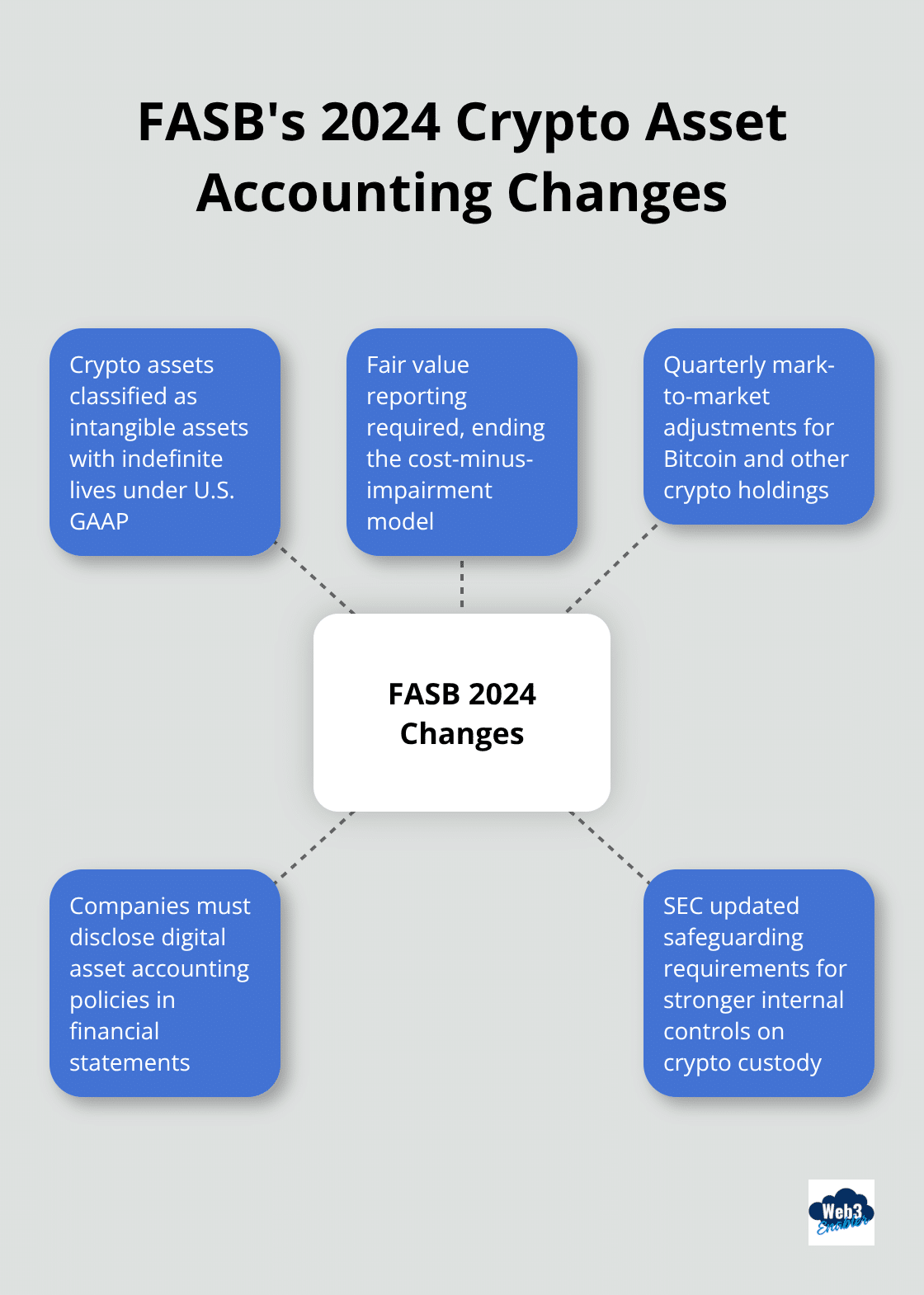
Crypto assets are now classified as intangible assets with indefinite lives under U.S. GAAP, requiring companies to report these assets at fair value. This ended the old cost-minus-impairment model that created reporting headaches for finance teams everywhere.
Your Bitcoin holdings now get marked to market each quarter, which shows real-time value instead of historical cost. The SEC simultaneously updated safeguarding requirements and now demands stronger internal controls for crypto custody (goodbye, sticky note passwords).
Companies must now disclose their digital asset accounting policies in financial statements. The AICPA practice aid provides nonauthoritative but practical guidance for implementation.
Compliance Means Different Things Everywhere
Luxembourg treats crypto differently than India, which creates a compliance maze for global businesses. The regulatory environment shifts constantly, with new guidance emerging quarterly from bodies like the FASB and international standard setters.
Your compliance strategy needs regular updates as rules evolve. Audit procedures for digital assets require specialized knowledge that traditional auditors often lack. Smart contract transactions add another layer of complexity, as auditors must verify automated processes alongside manual entries.
This regulatory patchwork makes proper bookkeeping setup even more important for your day-to-day operations.
Practical Steps for Digital Currency Bookkeeping
Set Up Your Chart of Accounts the Right Way
Your chart of accounts needs dedicated sections that separate crypto assets from traditional holdings. Create main accounts for Bitcoin holdings, Ethereum positions, and stablecoin reserves, then add sub-accounts for different custody solutions and trading platforms.
Most companies mess this up by lumping everything together, which creates audit nightmares later. Set up separate accounts for mining rewards, staking income, and DeFi yields since each has different tax treatment.
The key is granularity from day one. Trust Machines automated their complex transaction tracking across various wallets and cut their reconciliation time from hours to minutes with this approach.

Record Every Transaction with Precision
Fair value measurement is required for digital assets under new FASB rules, which means quarterly mark-to-market adjustments for your Bitcoin and Ethereum holdings. Record the original cost basis, current fair value, and any unrealized gains or losses separately to maintain clean audit trails.
Transaction fees get capitalized into the cost basis of purchases but expensed immediately for sales. Stablecoin transactions require different handling – treat them like foreign currency exchanges with minimal volatility adjustments.
Document the pricing source you use consistently, whether CoinMarketCap, CoinGecko, or exchange-specific rates, because auditors will ask.
Navigate Tax Complications Like a Pro
Every crypto transaction triggers a taxable event in the U.S., from buying coffee with Bitcoin to swapping Ethereum for stablecoins. Generate 1099-DA forms for significant transactions and maintain detailed records that show cost basis, sale price, and holding period for each trade.
The IRS requires specific identification of which coins you sold, not just FIFO assumptions. Companies that handle hundreds of thousands of transactions annually need automated solutions like Bitwave or similar platforms to avoid manual entry errors during monthly closes.
Set up workflows that flag transactions needing human review, especially for DeFi activities and cross-chain transfers that complicate tax calculations. These systems become lifesavers when volatility hits and transaction volumes spike unexpectedly.
Common Accounting Challenges and Solutions
Volatility Turns Balance Sheets Into Roller Coasters
Bitcoin dropped 15% overnight, and your balance sheet just became a horror show. Fair value accounting under the new FASB rules starting Q1 2025 means quarterly mark-to-market adjustments that can swing your asset values by millions without warning. Companies that hold significant crypto positions face constant volatility that makes traditional budgeting impossible, and finance teams spend entire days recalculating asset values instead of strategic planning.
The new rules require real-time fair value reporting, which means your quarterly reports reflect market chaos instead of stable business fundamentals. Finance directors watch crypto prices more than their own KPIs because a single market crash can wipe out months of careful financial planning.
Legacy Financial Systems Fight Back
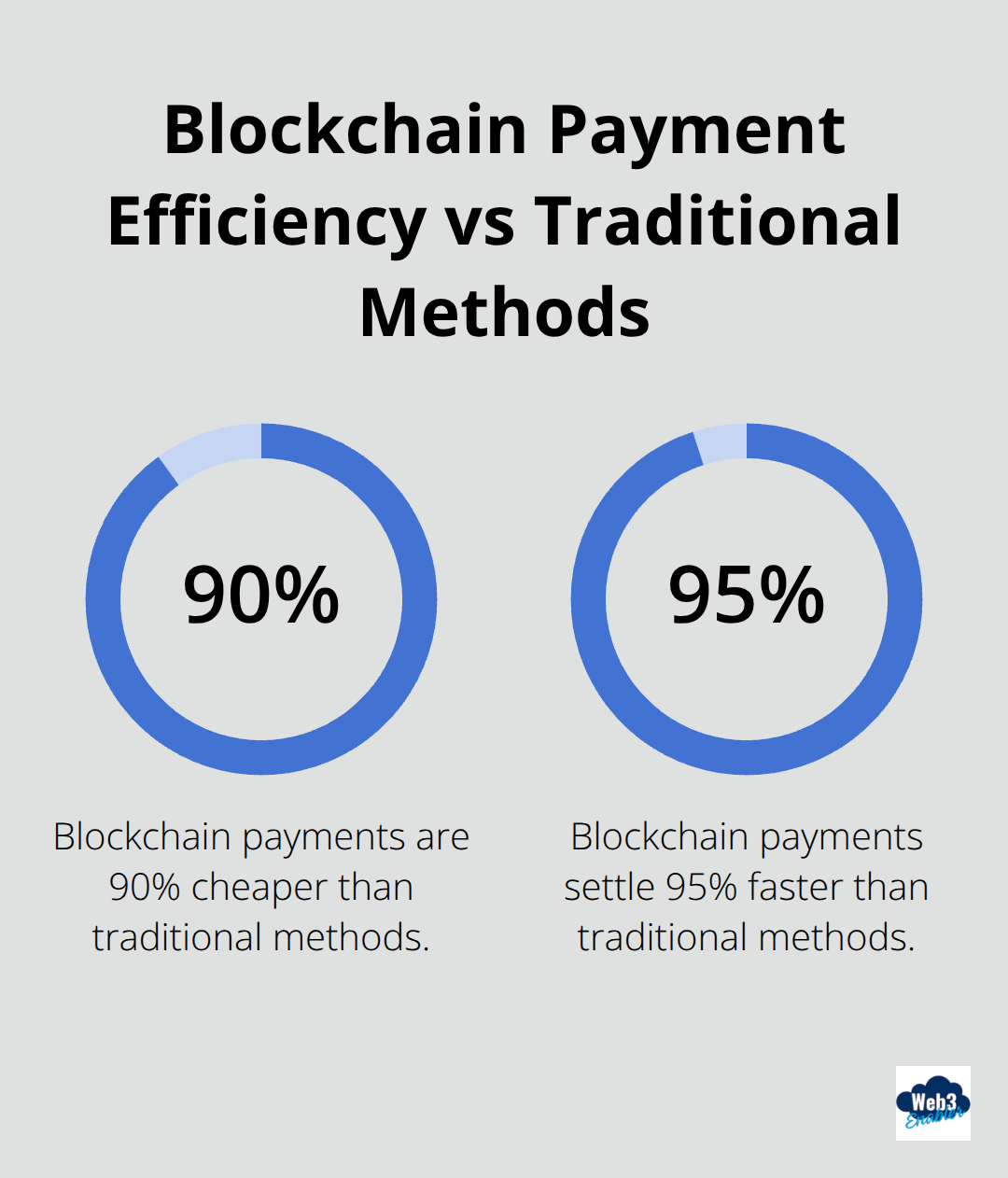
Your existing ERP system thinks crypto is science fiction, which creates data silos that auditors hate. Most traditional accounting software can’t handle the complexity of DeFi yields, cross-chain transfers, or automated smart contract transactions. Blockchain payments are 90% cheaper and settle 95% faster than traditional methods, but integration still requires custom APIs and middleware that cost six figures to implement properly.
Manual workarounds create reconciliation nightmares during month-end closes, especially when transaction volumes spike during market volatility. Your accounting team ends up maintaining parallel spreadsheets that defeat the purpose of automated systems.
Documentation Demands Exceed Normal Standards
Auditors demand transaction-level detail that goes beyond traditional bank statements, requiring blockchain explorer links, wallet addresses, and smart contract verification for every trade. The AICPA practice aid emphasizes comprehensive records that can withstand regulatory scrutiny, but most companies fail at documenting their pricing methodologies consistently.
Create automated workflows that capture transaction hashes, counterparty information, and economic substance for each crypto movement (manual documentation breaks down when you process thousands of transactions monthly). Your audit trail needs to show clear business purpose for every crypto transaction, not just compliance checkbox entries that satisfy basic requirements.
Final Thoughts
Digital currency accounting transforms from chaos into manageable practice when you apply the right framework. The FASB’s 2025 fair value requirements, proper chart of accounts setup, and automated transaction systems create the foundation for compliant crypto bookkeeping. Companies that implement these practices see immediate benefits: faster month-end closes, audit-ready documentation, and real-time financial visibility.
Your finance team stops fighting spreadsheets and starts focusing on strategic decisions that drive growth. The implementation path requires commitment but delivers results quickly. Start with chart of accounts restructuring, then add automated systems, and finally integrate compliance workflows.
Web3 Enabler provides Salesforce-native blockchain solutions that connect crypto operations directly to your existing CRM infrastructure. Our platform supports payments and compliance without speculation-focused features (perfect for businesses that want practical blockchain integration). Your digital currency accounting success depends on treating crypto like any other business asset with proper controls and reporting standards.