


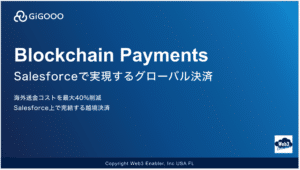
Miami, FL, March 18, 2026 – Web3 Enabler, Inc. is proud to announce a market partnership with engineering and development firm Gigooo to provide Blockchain Payments to enterprise businesses in Japan. Selling to enterprise in Japan is highly specialized and Gigooo has the right blend of advanced technology services and sales development resources embedded in the Japanese enterprise business ecosystem.
About Gigooo
GiGOOO specializes in driving AI transformation for Japanese enterprises, focusing on integrating AI agents, modernization of legacy systems, and accelerating AI-powered development workflows. They collaborate with global AI startups to bring advanced AI technologies, tools, and platforms to the Japanese market, facilitating adoption at scale.
Key services and areas of focus in Japan include:
- AI Adoption & Transformation: Working closely with Japanese companies to integrate Artificial Intelligence into real business operations.
- AI Agent Integration: Implementing specialized AI agents to modernize workflows.
- Legacy Modernization: Utilizing AI to update older, established IT systems.
- Startup Collaboration: Bridging the gap between global AI technology providers and the Japanese enterprise market
Availability of Blockchain Payments V.3.1 makes sense for Japanese Clients.
V3.1 includes vendor liquidation wallets so businesses can now pay vendors directly in stablecoins. Vendors can choose whether to connect a crypto wallet to receive payments on-chain or connect a bank account to automatically offramp into fiat removing obstacles to adoption in the Japanese market.
This means a business can send a vendor stablecoins, and the vendor receives funds in their local currency. A supplier in Mexico can get Pesos, a consultant in Europe can get Euros, while a partner in the U.S. receives Dollars — all from the same payment process.
By removing the complexity of handling digital assets, v3.1 makes stablecoin-based global vendor payments practical and accessible.
Automatic off-ramps for client payments give Japanese companies flexibility
Now that companies can connect a bank account and automatically offramp client payments, Japanese enterprises can start accepting stablecoins and automatically convert them into fiat for treasury and financial reporting — eliminating volatility concerns with the currencies of overseas clients.
Simplifying payments and collections with stable coins in Japan
Stablecoins are proving to be one of the most effective tools for cross-border business payments. By combining speed, low cost, and global accessibility, they reduce the friction that comes with traditional wire transfers and correspondent banking.
- Pay vendors globally with stablecoins.
- Give vendors flexibility to receive payments in wallets or bank accounts.
- Automatically convert into local fiat currencies.
This creates a faster, simpler, and more reliable process for both sides of every transaction.
Japan has introduced regulated, yen-pegged stablecoins to modernize digital payments and boost blockchain innovation, with JPYC launching as the first major issuer backed by Japanese government bonds. These, along with upcoming bank-issued coins (via Progmat), provide a safe, 1:1 compliant alternative to dollar-backed stablecoins for, reducing transaction fees and enabling instant digital settlements.
Gigooo Blockchain Payments Brochure
Frequently Asked Questions About Web3 Enabler and Gigooo Blockchain Payments in Japan
Web3 Enabler and Gigooo are helping Japanese enterprises simplify global payments with blockchain infrastructure, stablecoin settlement, and automatic off-ramping into local fiat currencies. Below are common questions about how this partnership supports vendor payments, client collections, and enterprise adoption in Japan.
What is the Web3 Enabler and Gigooo partnership?
The Web3 Enabler and Gigooo partnership is a market collaboration focused on bringing blockchain payments to enterprise businesses in Japan. The partnership combines Web3 Enabler’s blockchain payment infrastructure with Gigooo’s engineering, modernization, and enterprise sales capabilities inside the Japanese business market.
Why is this partnership important for Japanese enterprises?
This partnership matters because selling and deploying new payment technology in Japan requires local market knowledge, technical execution, and trusted business relationships. By combining blockchain payment capabilities with Gigooo’s experience supporting Japanese enterprises, the partnership is designed to make adoption more practical and better aligned with local business needs.
What does Blockchain Payments v3.1 offer for Japanese clients?
Blockchain Payments v3.1 gives businesses more flexibility in how they send and receive stablecoin payments. It includes vendor liquidation wallets, which allow businesses to pay vendors in stablecoins while giving vendors the option to receive funds on-chain or automatically off-ramp them into fiat through a connected bank account.
How do vendor liquidation wallets work?
Vendor liquidation wallets let a business send a vendor a stablecoin payment while giving the vendor a choice in how they receive the funds. A vendor can connect a crypto wallet to receive the payment on-chain or connect a bank account so the payment is automatically converted into local currency. This removes much of the complexity that can slow adoption.
How do automatic off-ramps help Japanese companies?
Automatic off-ramps help Japanese companies accept or send stablecoin payments without requiring every counterparty to manage digital assets directly. Businesses can settle a payment using stablecoins, while the recipient can receive local fiat in a bank account. This helps reduce operational friction and makes blockchain payments easier to use in standard finance workflows.
Can Japanese enterprises accept stablecoin payments and convert them to fiat automatically?
Yes. With automatic off-ramp functionality, Japanese enterprises can accept stablecoin payments and convert them into fiat for treasury operations and financial reporting. This gives companies more flexibility when working with overseas clients while reducing concerns about holding digital assets directly for longer than necessary.
Why are stablecoins useful for cross-border payments in Japan?
Stablecoins are useful for cross-border payments because they can reduce the delays, fees, and friction often associated with traditional wire transfers and correspondent banking. For Japanese enterprises working with international vendors, consultants, customers, and suppliers, stablecoins can support faster settlement and a more consistent payment experience across markets.
How do blockchain payments simplify vendor payments for international suppliers?
Blockchain payments simplify vendor payments by allowing one payment workflow to serve vendors in different countries while still giving each vendor flexibility in how funds are received. A business can send stablecoins through one system, and vendors can choose whether to receive the payment in a crypto wallet or as local currency through an off-ramp to a bank account.
What role does Gigooo play in blockchain payments for Japan?
Gigooo helps bridge the gap between advanced global technology providers and the Japanese enterprise market. Its role includes supporting AI and modernization initiatives, helping enterprises adopt new technologies, and providing the local engineering and business development support needed to bring blockchain payments into real operational use in Japan.
Who should consider blockchain payments in Japan?
Blockchain payments in Japan are especially relevant for enterprises with international vendors, cross-border client payments, complex treasury workflows, or a need to reduce payment friction across multiple currencies and regions. They are a strong fit for businesses that want faster, more flexible global payments without forcing every counterparty to manage crypto directly.